

Stations in the News

Railroad service into the Somerset Hills began in 1872 when the Passaic Valley and Peapack Railroad opened a new line running west from Summit into northern Somerset County. The original route established stations at New Providence, Berkeley Heights, Murray Hill, Stirling, and Millington before reaching its western terminus at Bernardsville. What had been a quiet rural region of farms and small crossroads suddenly found itself connected by rail to the Delaware Lackawanna and Western Railroad system and the ferry terminals serving New York City.

As the railroad proved successful, the line continued to expand westward. In the years that followed, the tracks were extended beyond Bernardsville through Far Hills and Peapack, eventually reaching Gladstone, which became the branch’s permanent western terminus. With each extension, new stations were added, and small village centers grew around them. These stations became focal points of local life and later played a major role in attracting wealthy estate owners to the Somerset Hills, giving rise to what would become known as the Mountain Colony.
In the sections that follow, we will take a closer look at each stop along the line. We will revisit the stations and the communities that developed around them, explore the services and amenities that existed during their busiest years, and highlight the restaurants, waiting rooms, concessions, and businesses that once served passengers arriving by train. We will also look at what remains today and which facilities may still be available to serve modern commuters and residents alike, connecting the present-day line to its rich railroad past.
What Stop – What Services
A station stop was far more than simply a place where a train paused. In the railroad era, a station was a designated point along the line where trains could safely stop to load and unload passengers, handle freight or mail, and allow railroad operations such as ticketing, telegraph communication, and train orders. Most stops included a depot or shelter, a platform, and often sidings for freight or passing trains. The station quickly became the center of activity for the surrounding community. Farmers shipped milk and produce from the freight platform, commuters purchased tickets to travel to the city, and travelers waited in heated waiting rooms for the next train.

The railroad company itself usually determined the location of a station stop. Railroad engineers and executives studied terrain, distances between stops, access to existing roads, and the potential for passenger or freight business. In many cases, local landowners or developers also influenced where stations were placed. It was common for a landowner to donate land for a depot or right-of-way if it meant a station would serve their property. In the Somerset Hills, several stops grew where crossroads villages already existed, while others were created to support emerging residential communities and estates that developed once the railroad arrived.

What services a station provided depended largely on the expected traffic and the size of the surrounding community. Larger stations often included a staffed ticket office, waiting rooms, baggage handling, freight houses, telegraph service, and sometimes restaurants or newsstands nearby. Smaller stops might have little more than a platform, a shelter, or a small depot building with limited hours. Over time, many stations developed additional amenities as commuter traffic increased. Lunch counters, delis, newsstands, and local businesses often clustered around the depot to serve travelers arriving on morning and evening trains.
[table id=16 /]
As the decades passed, the role of these stations gradually changed. Freight traffic declined, telegraph offices disappeared, and many ticket offices closed as railroad operations became centralized. Some depots were demolished, others were repurposed for community use, and a few have survived as historic landmarks. Today, most station stops primarily serve commuters, with parking, shelters, and occasional waiting rooms. Yet even in their modern form, they remain direct descendants of the original railroad depots that once served as the commercial and social heart of many towns along the line.
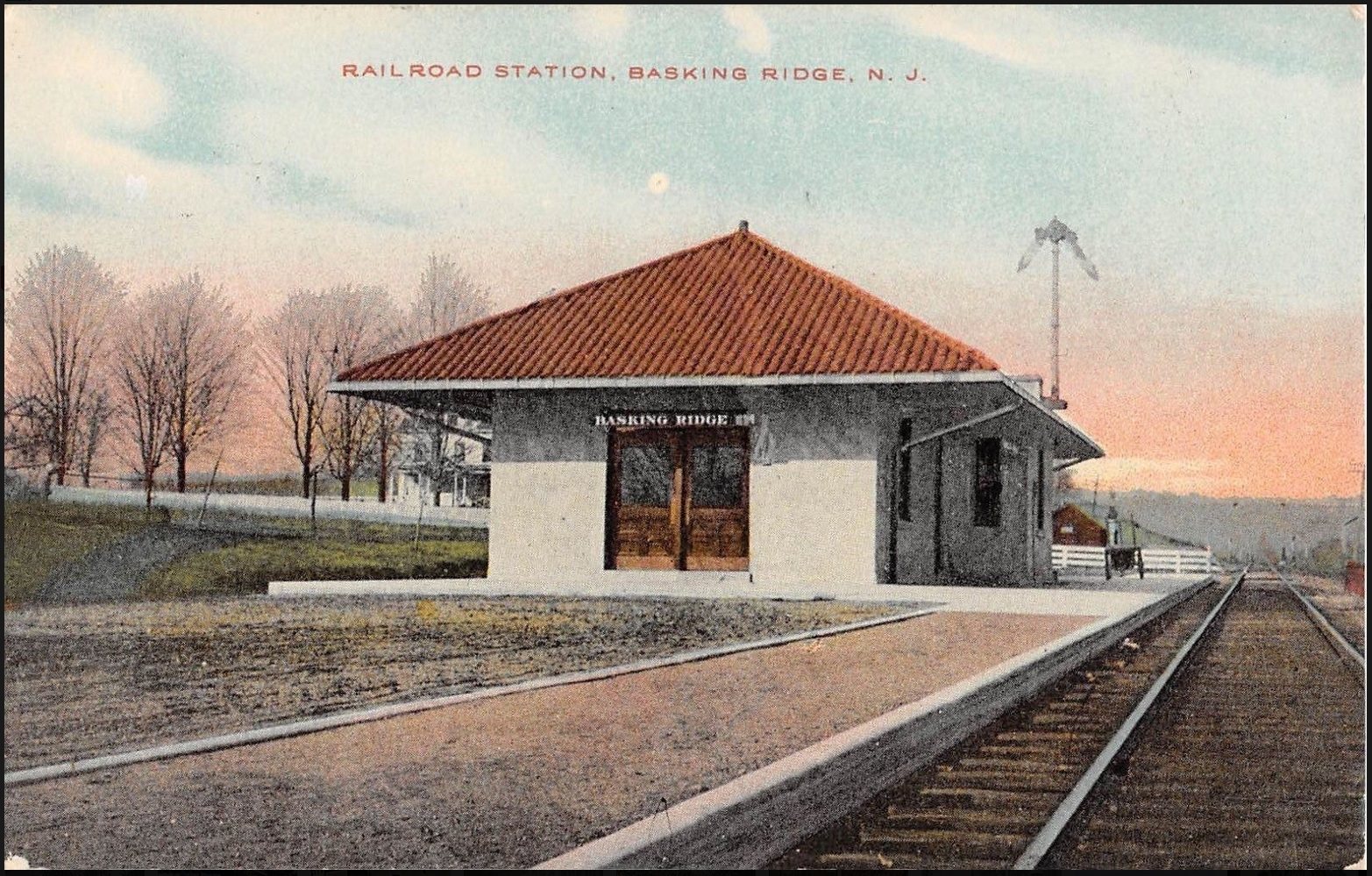
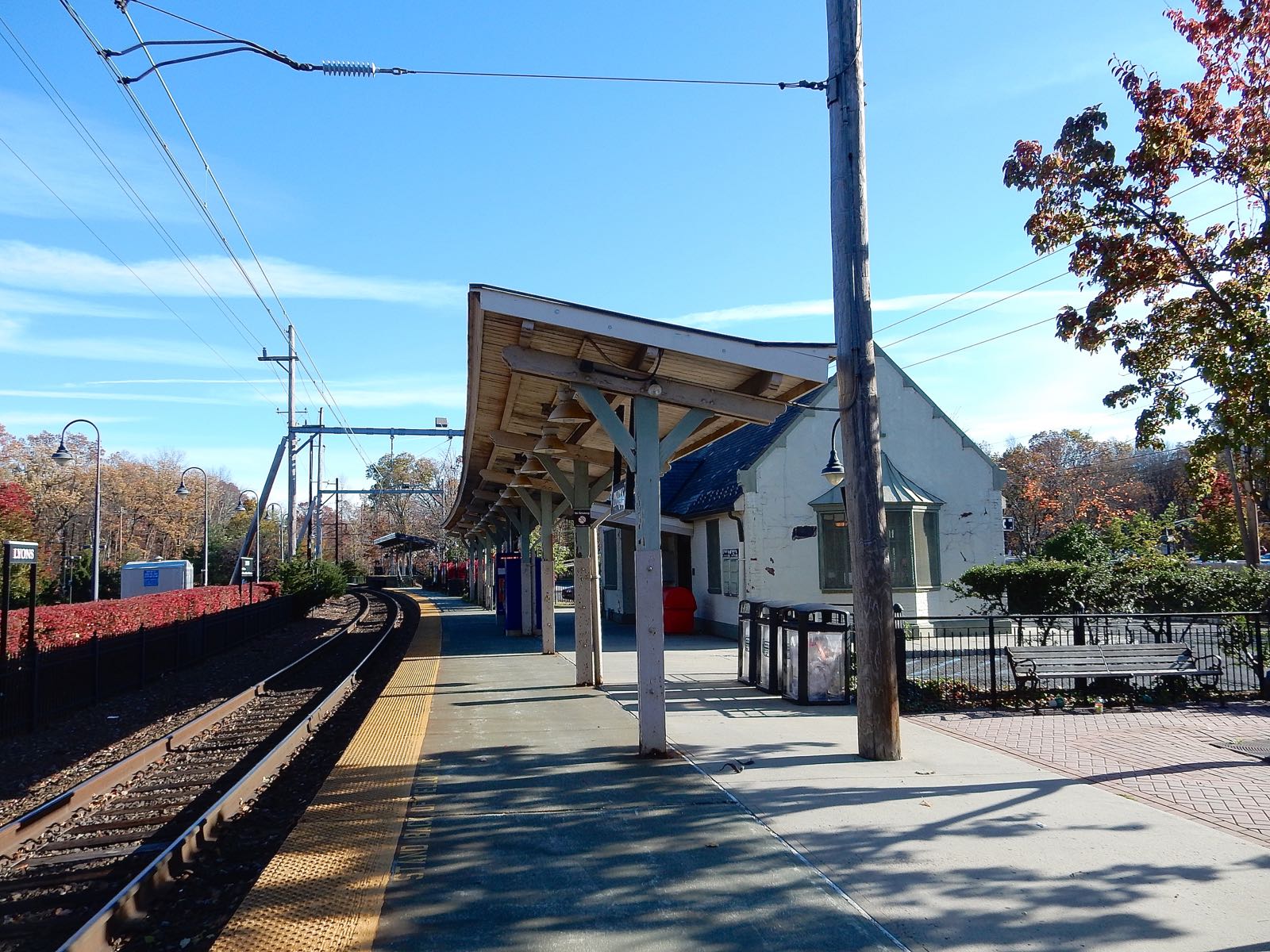
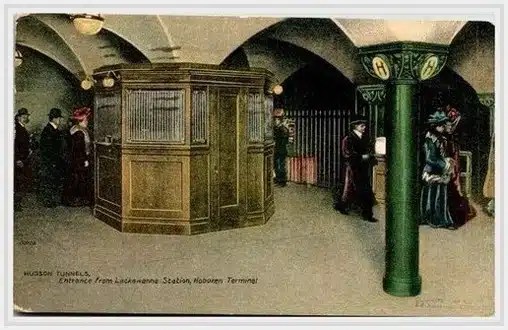
Historic Train Station Photo Collection on the Peapack Gladstone Rail Line over the Centuries
The largest collection of iconic railroad stations along the PGL of the DL&W. We dug deep into all of our research across many stories to try to build the largest online collection of classic and restored images from books, magazines, research history rooms, and social media to bring you this classic photo album. As our research for our railroad series continues, we’ll add any new finds to the collection to preserve and promote these historic train stops on the Peapack Gladstone line.








Share Your Story About Commuting On the PG Line
We’re looking for commuters to share their experiences on the Peapack-Gladstone ride to or from either NYC Penn Station or Hoboken. Feel free to post in the comments section below. Also, if your train stop had any amenities, I would love to hear those too. I know I enjoyed grabbing a coffee and a muffin at the Lyons station while staying out of the rain waiting for the 6:15 express train, so I know the drill…..


