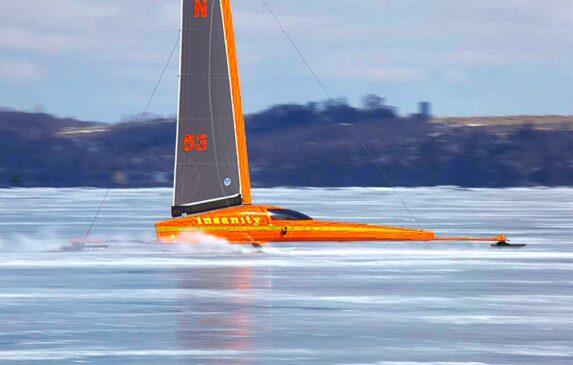
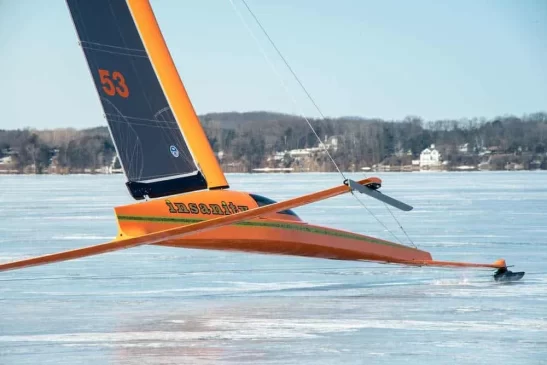
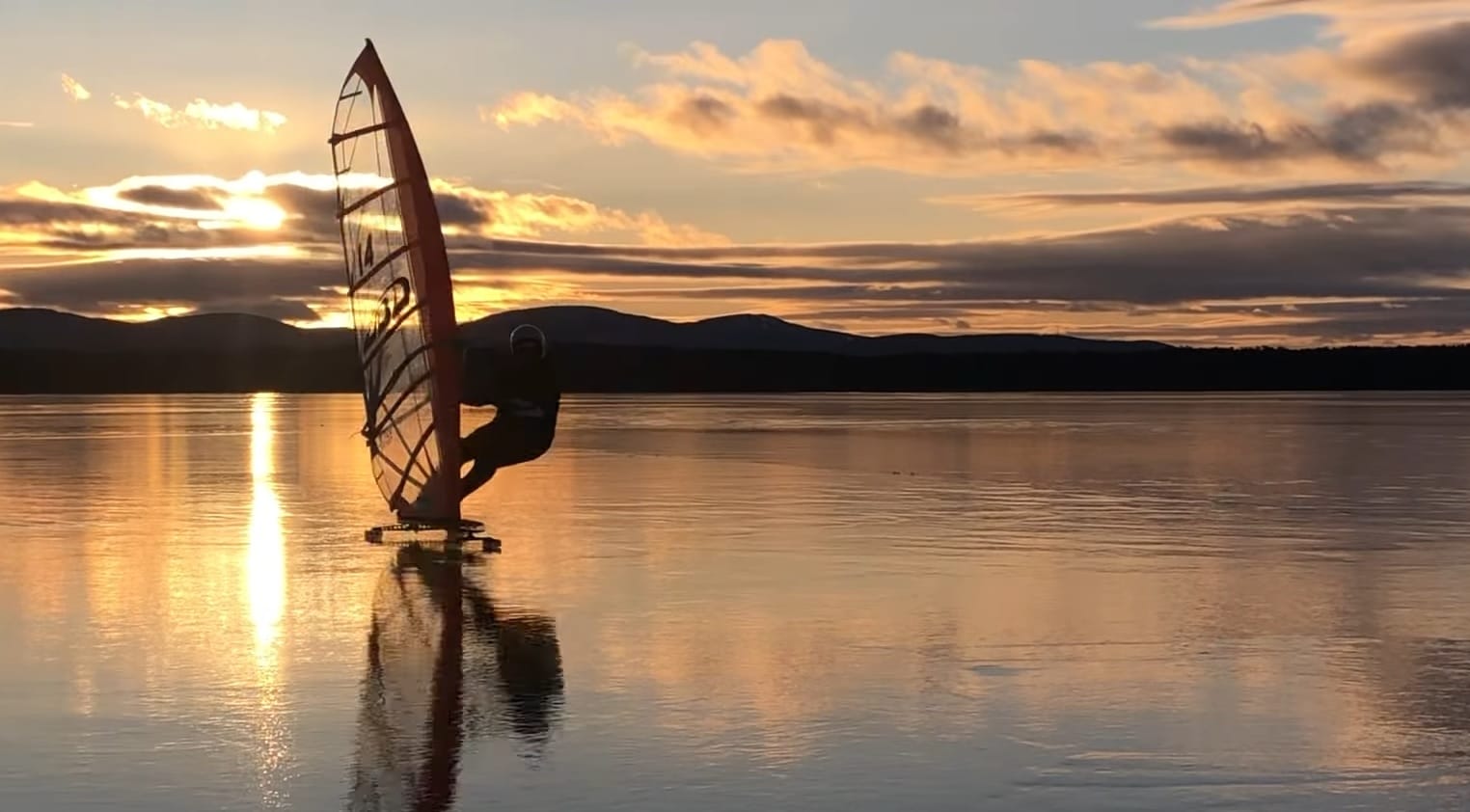
It’s Baaaaaaaaaaaaaaackkkkkkkkkk. 2026, America is 250 years old and the cold is back. In fact it’s so cold, we now have to pray to the snow gods to slow down the delug just a bit so the iceboats can get back on the ice. So to get you amped up, let’s start this history piece with a video that sets the stage for a light dive into the world of Iceboating in New Jersey. Yes, this takes place in Germany, but the sport has great American roots and brings us right into the heart of New Jersey history.
Before engines ruled speed and before winter meant staying indoors, Americans learned how to fly across frozen water. When rivers and lakes locked into ice, sailors refused to stop. They adapted. Wooden hulls gained steel runners, sails grew taller, and suddenly winter became a season of motion. Ice boats transformed silent frozen landscapes into wind driven highways, delivering a rush of speed and freedom that few had ever experienced. What began as necessity quickly became obsession, and America discovered one of the fastest and most exhilarating forms of travel ever created.
New Jersey played a quiet but important role in American iceboat history, sitting at the southern edge of the ice belt where winter sailing was possible but never guaranteed. When hard freezes arrived, iceboats appeared on the state’s rivers and sheltered bays, especially along the Hudson River shoreline, the Navesink River, and protected waters of Barnegat Bay. These were often smaller, faster craft built by local sailors and boatbuilders who blended maritime skill with winter experimentation. New Jersey sailors raced informally, tested designs, and pushed limits in variable ice conditions that demanded precision and nerve. While the state never rivaled the massive ice yacht fleets of the Hudson Valley or Great Lakes, its contribution lay in refinement and daring, proving that iceboating was not just a northern curiosity but a living tradition along the Mid Atlantic coast.
History
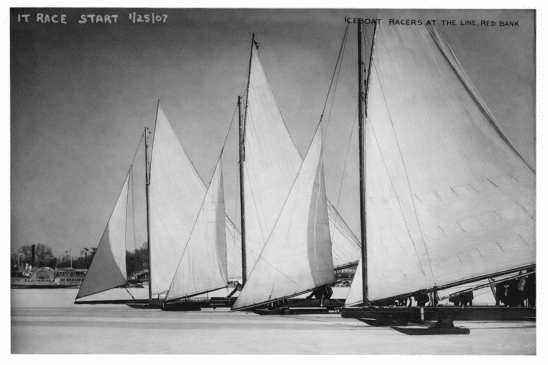
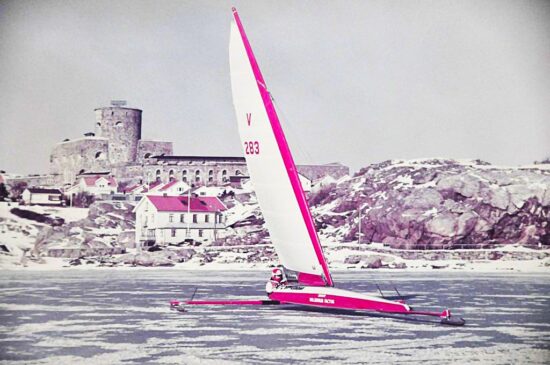
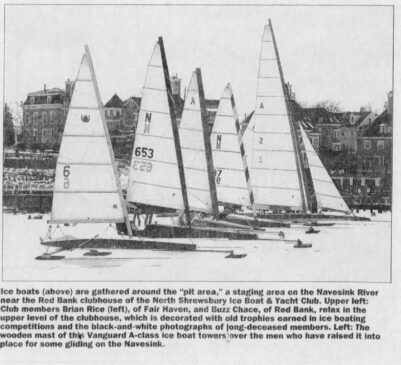
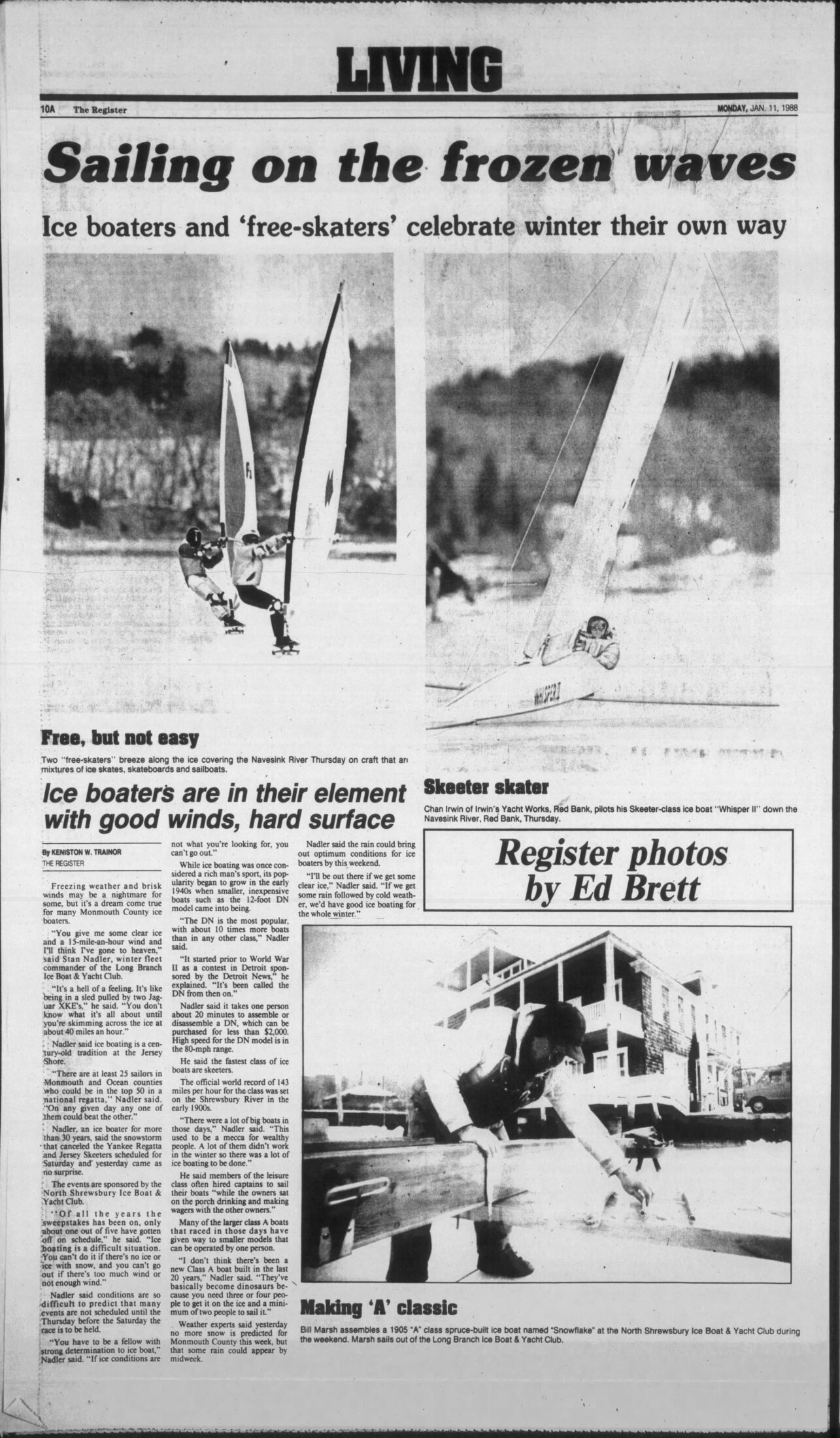
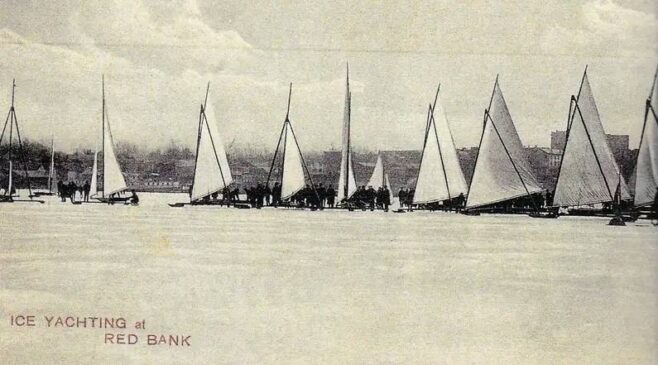
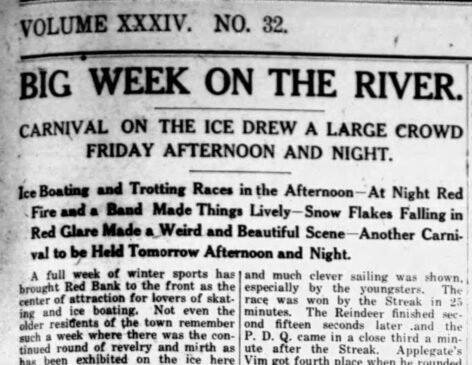
We start the history down on the Navisink River just off the shores of Red Bank. Iceboating on the Navesink River was a vivid winter tradition that turned frozen water into a racetrack and social gathering place for river towns like Red Bank and Fair Haven. During the late 1800s and early 1900s, when winters were colder and ice stayed thick for weeks, local sailors adapted their yachting skills to sharp steel runners and towering sails. Iceboats with names like Icicle, Snowbird, Jack Frost, and Swallow skimmed across the river at astonishing speeds, often faster than any sailboat could manage in summer.
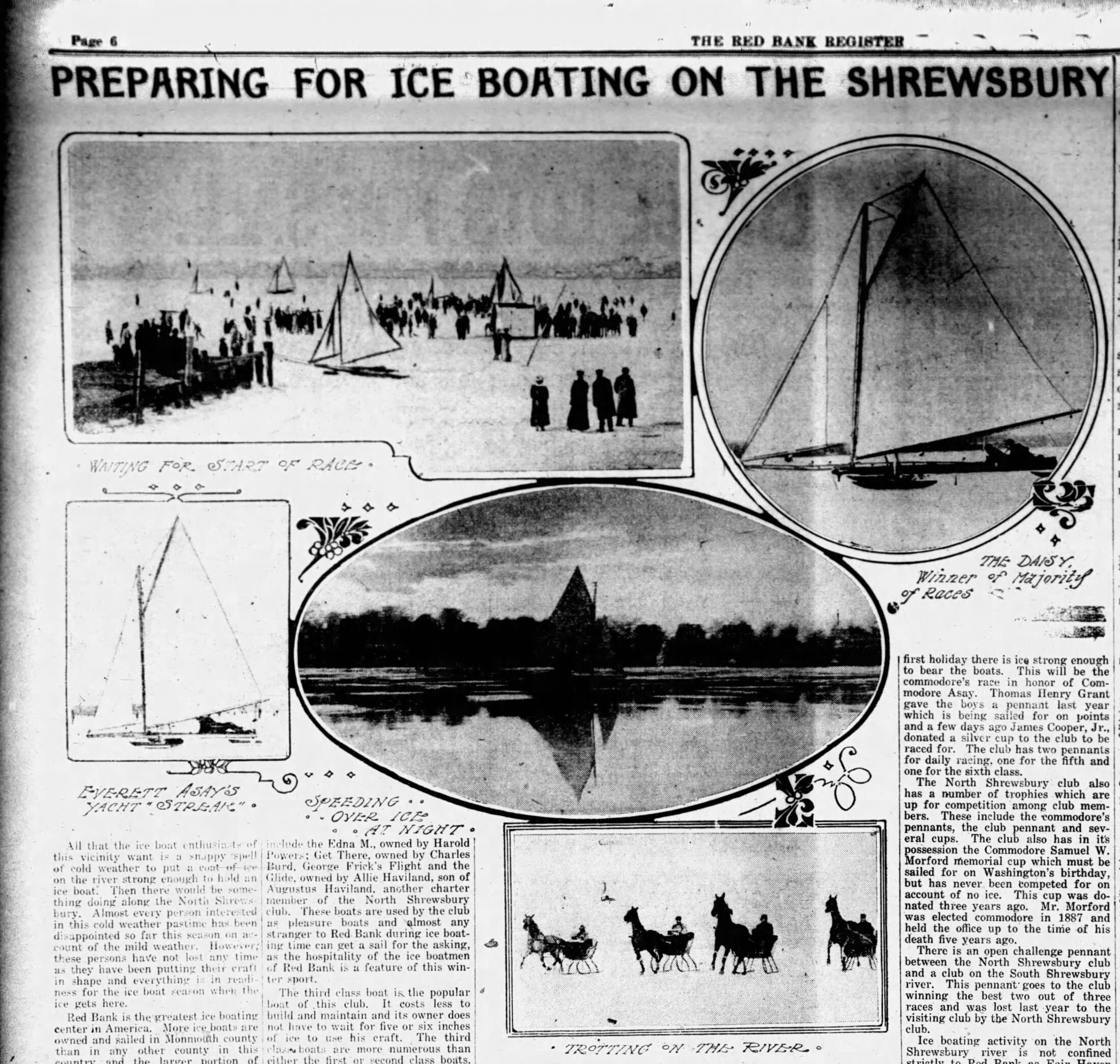
Well known local watermen and yachtsmen joined the sport, including members of Monmouth County yacht clubs who treated iceboating as both competition and winter training. Spectators lined the riverbanks to watch informal races and long distance runs, while newspapers marveled at the elegance and danger of the sport. As winters warmed and river ice became less reliable, iceboating faded from the Navesink, but its memory remains a striking reminder of how closely river life once followed the rhythm of the seasons.
Ice Boat / Ice Yacht Classes
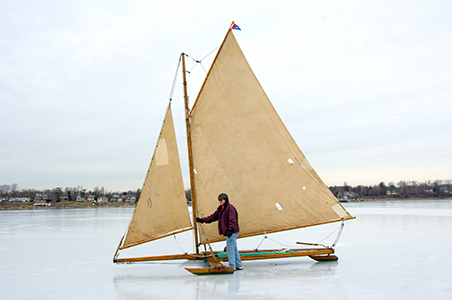
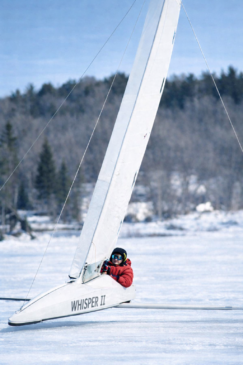
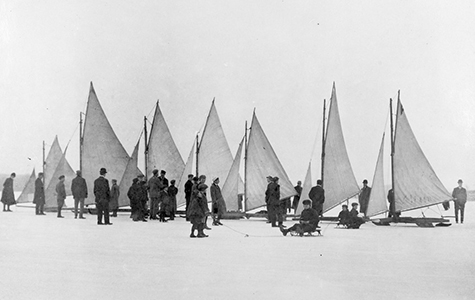
As ice boating evolved, its classes told the story of changing priorities from spectacle and power to efficiency, control, and pure speed. The earliest American ice boats were enormous ice yachts, floating palaces on steel runners built for frozen rivers wide enough to handle them. These mammoth craft dominated the 1800s, crewed by multiple sailors and designed as much to impress crowds as to race. As competitive sailing grew, builders began stripping away size and weight, searching for faster acceleration and sharper handling. By the early 1900s, smaller stern steer yachts and experimental classes emerged, marking a shift from winter transport and leisure toward organized competition.
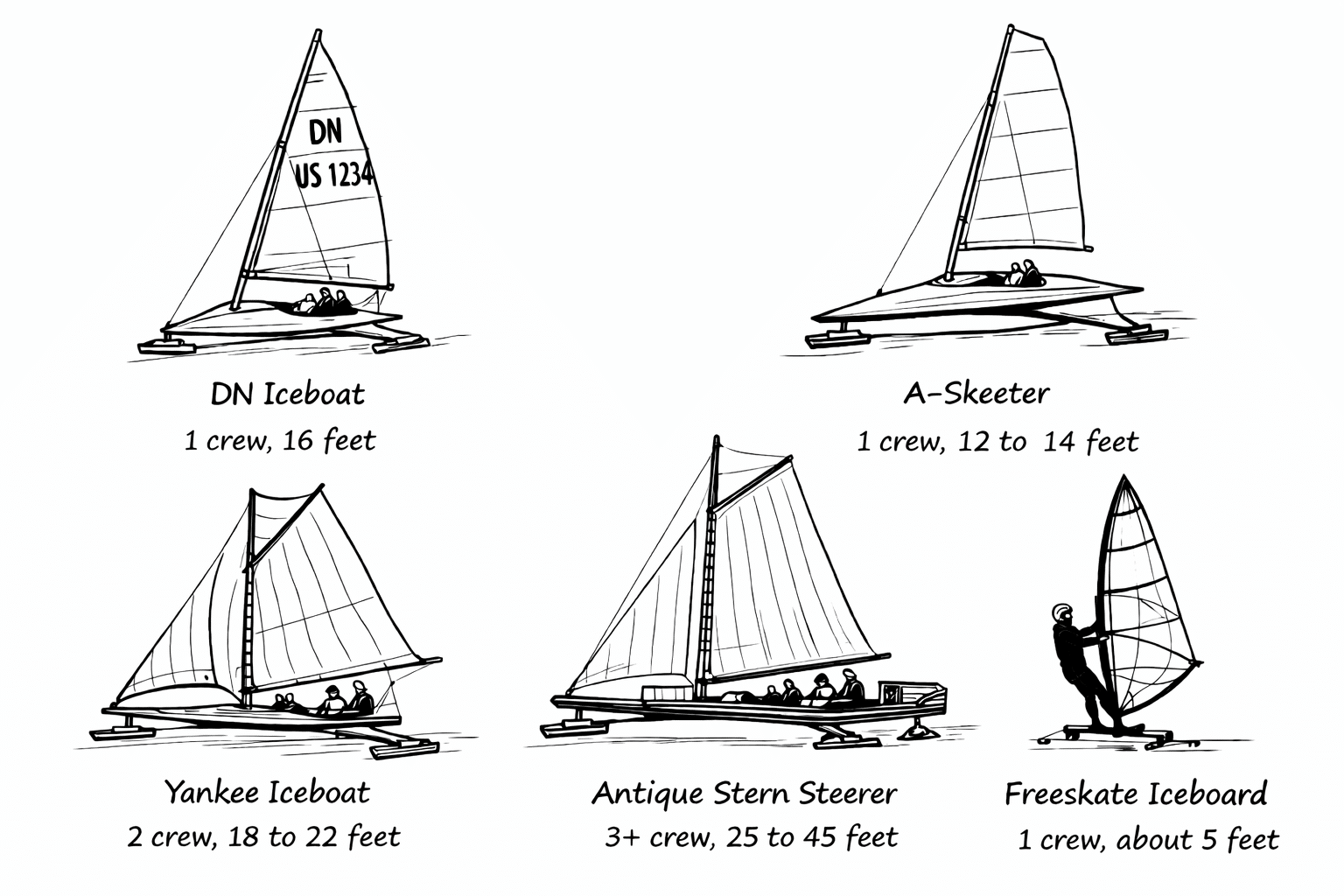
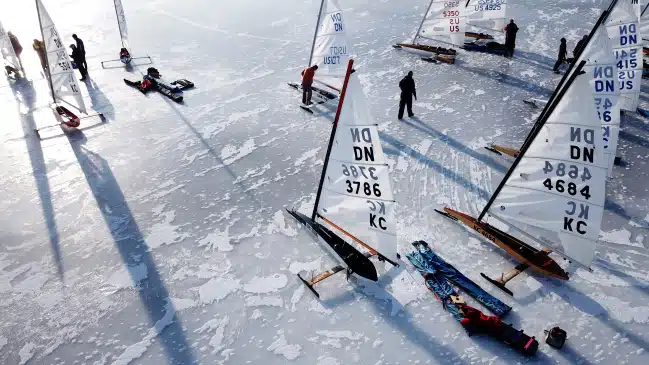
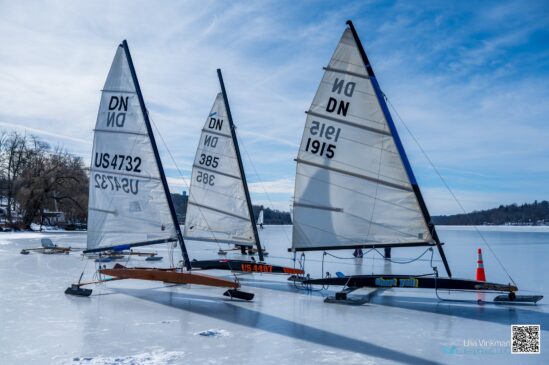
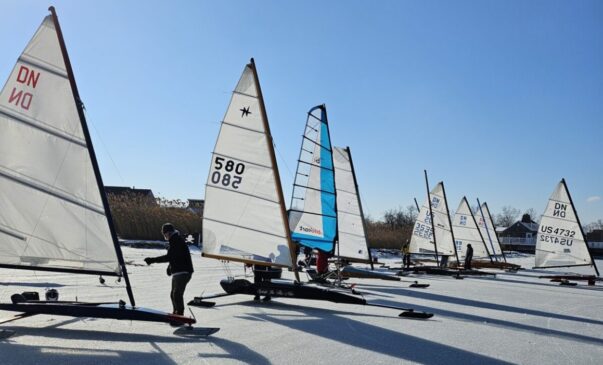
The turning point came with the DN class, a design born not in a yacht club but in a newspaper office. In the 1930s, the Detroit News sponsored a design competition to create an affordable iceboat that average people could build and race. The result was the DN, named for the paper itself. Lightweight, standardized, and brutally fast, the DN changed ice boating forever. It proved that minimalism could beat mass, pushing speeds past anything earlier generations imagined. From there the sport fractured into specialized expressions of speed and sensation. Skeeters emphasized agility and explosive acceleration. Iceboards and freeskate stripped the experience down even further, reducing the craft to little more than sail, blades, and nerve. Across every class, the objective stayed the same. Harness the wind, erase friction, and experience the unmatched exhilaration of flying across ice faster than nature seems to allow.
| Class | Approx Length | Sail Size | Highest Speed |
|---|---|---|---|
| Mammoth Ice Yachts | 50 to 70 feet | 800 to 1200 square feet | 70 to 80 mph |
| Large Stern Steer Ice Yachts | 30 to 45 feet | 400 to 700 square feet | 60 to 70 mph |
| Renwick Class | 20 to 28 feet | 250 to 400 square feet | 60 plus mph |
| DN Class | 16 feet | 60 square feet | 140 plus mph |
| Skeeter | 12 to 14 feet | 75 to 120 square feet | 100 plus mph |
| Iceboard | 7 to 9 feet | 30 to 50 square feet | 50 to 60 mph |
| Freeskate Ice Sailing | Rider based | Hand sail or wing | 40 to 50 mph |
Iceboat Yacht Clubs in New Jersey
If you want to follow iceboating beyond just being a spectator, there are several excellent resources that keep enthusiasts up-to-date on conditions, events, and community news. A central hub for the sport is iceboat.org, one of the most comprehensive sources on iceboating in North America where you can find club contacts, regatta watch updates, class information, and even classifieds for buying and selling boats.
For DN class racers and fans, the International DN Ice Yacht Racing Association offers membership access, newsletters, newsletters you can subscribe to, regional updates, and regatta schedules along with links to forums and video content that breaks down techniques and racing rules.
Beyond these official sites, social media has become huge in the sport. There are active Facebook groups like “Iceboating” where people post condition reports, meet-ups, photos, and videos that capture winter sailing action — a great way to see real-time ice conditions and connect with sailors from across the country. (Facebook). Many regional clubs also maintain their own pages, email lists, or social feeds where members post ice thickness reports, event plans, and invitations to join a sail or regatta. Watching these channels, and joining the community, is one of the best ways to get involved, hear about safe ice conditions, and even find someone willing to give you a ride when the wind and ice are right.
| Club Name | Location | Iceboat / Classes | More Info |
|---|---|---|---|
North Shrewsbury Ice Boat & Yacht Club | Red Bank, NJ (Navesink River) | Since 1880. DN class, A-skeeter, Yankee & antique iceboats common on club races (North Shrewsbury Ice Boat & Yacht Club) | https://nsibyc.com/about/history-2/ (North Shrewsbury Ice Boat & Yacht Club) Ice Line: 732-747-5665 Club House: 732-747-9845 |
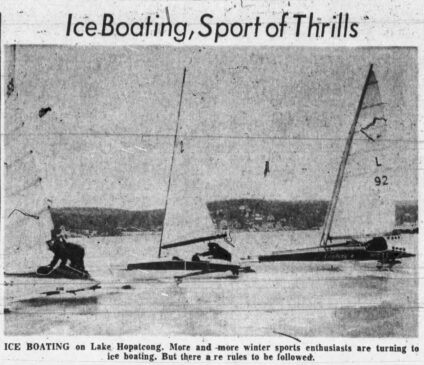
Lake Hopatcong Ice Yacht Club | Lake Hopatcong, NJ | DN class & various cruising / racing iceboats (club focus on racing & cruising) (Facebook) | Facebook group page for Lake Hopatcong Ice Yacht Club (Facebook) |
| Budd Lake Iceboating | Budd Lake, NJ | Iceboat gatherings / races (DN / stern steerer & others) seen from NSIBYC events (Facebook) | N/A (activity via NSIBYC) (Facebook) |
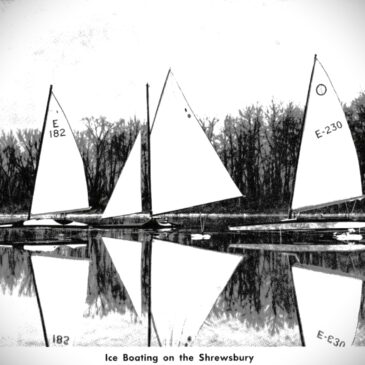
Long Branch Ice Boat & Yacht Club | Long Branch, NJ | Iceboat and yacht club on the Shrewsbury River in Long Branch, NJ with a history in iceboat racing and maritime tradition | Long Branch Ice Boat & Yacht Club |
| Eastern Ice Yacht Association (EIYA) | EYIA was founded in 1912 during a period when ice yacht racing was rapidly growing across the Northeast. At the time, iceboating was not limited to one lake or one state. Sailors regularly traveled long distances to chase good ice and organized competition was becoming necessary. The association was created to do 3 main things. Standardize racing rules and class definitions Coordinate regattas and championships across multiple states Provide a central body for communication among clubs and sailors |
The Speed – And the Cold
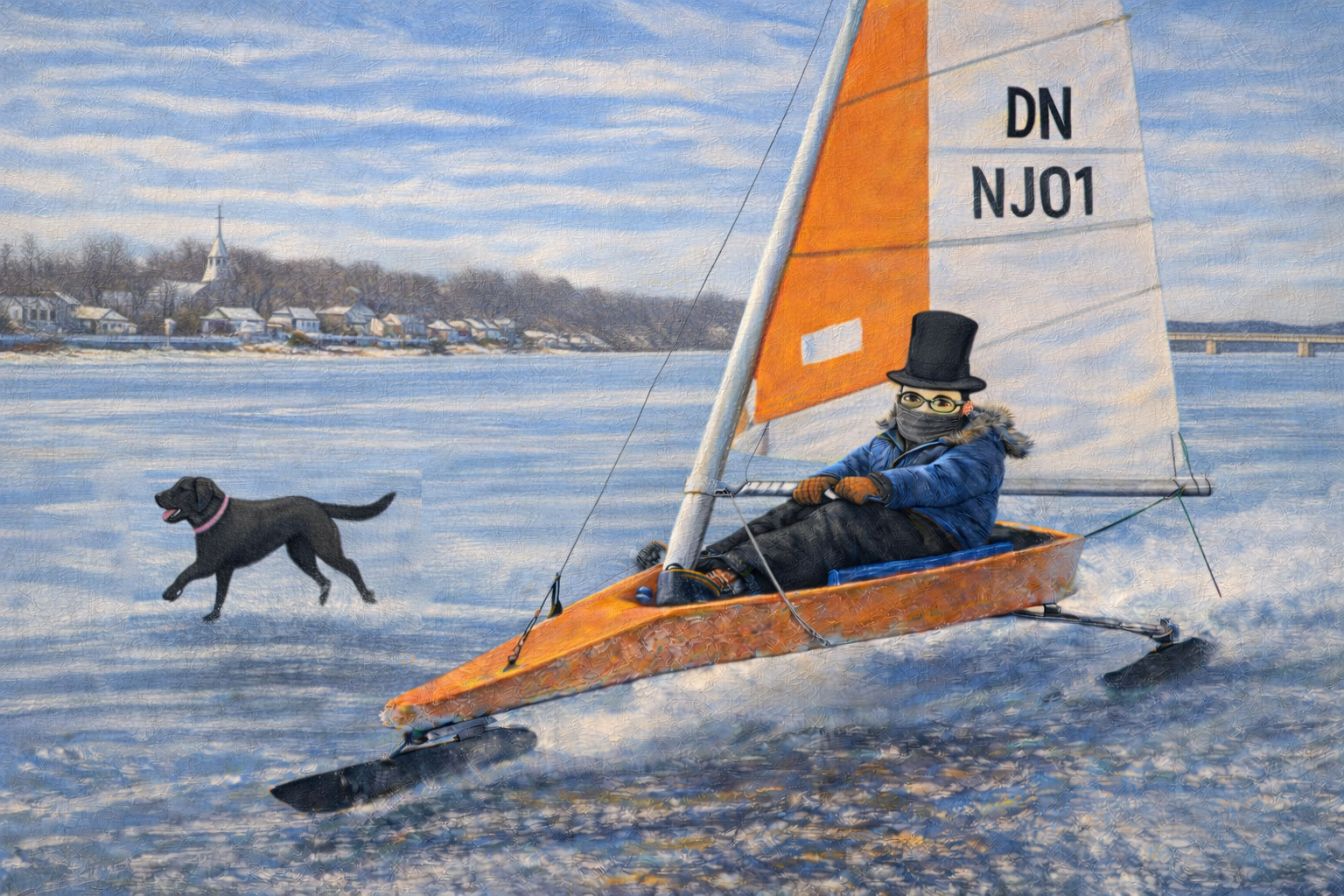
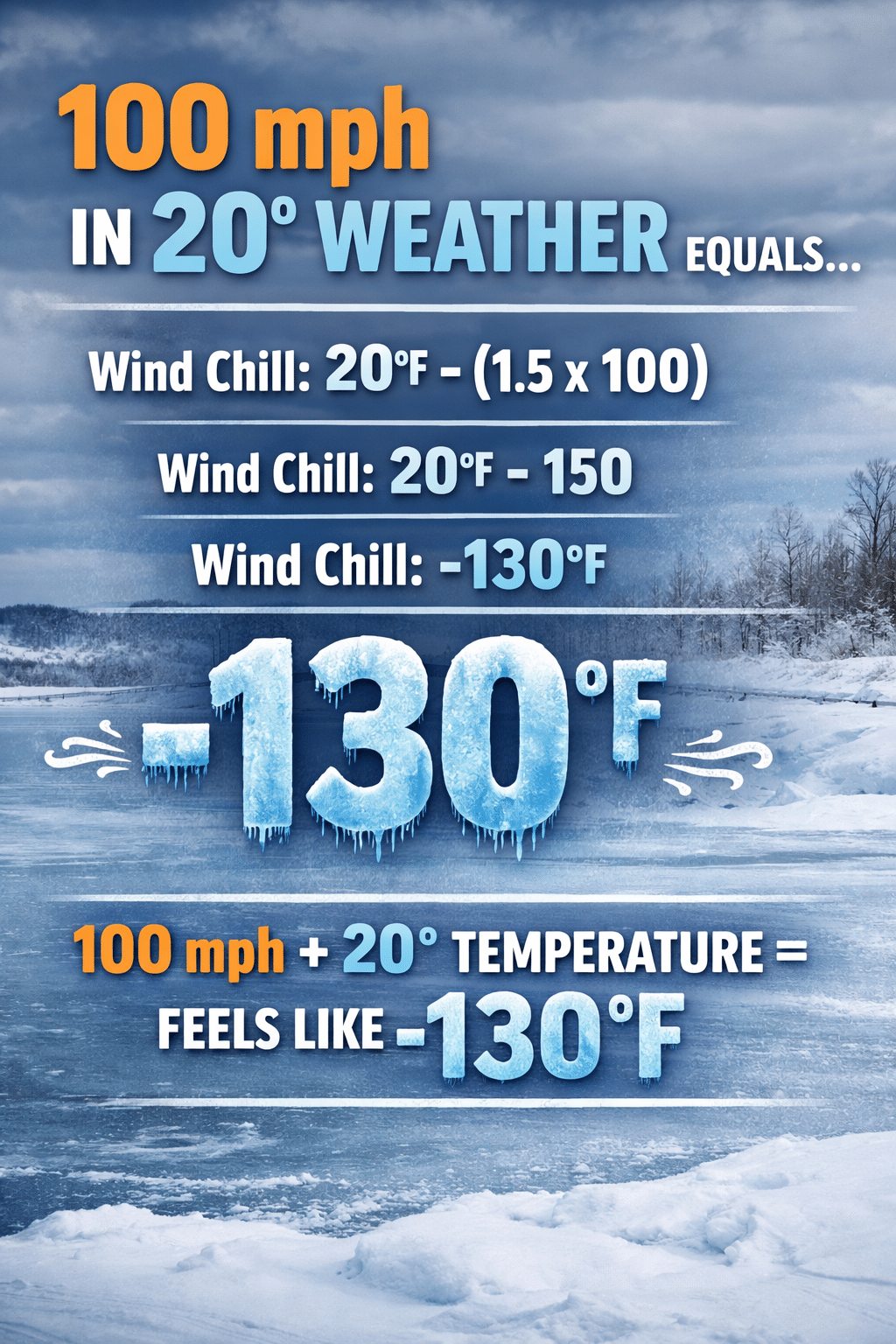
Speed changes everything when it’s cold, because the cold hits you like a wall. On an iceboat you are not just in 20 degree air, you are creating your own blast of wind across your face and hands. At 50 mph with an air temperature of 20 degrees, the wind chill equivalent is about minus 3 degrees, and that is before you factor in gusts or the apparent wind that can feel even stronger when the boat is moving fast. That is why experienced iceboaters dress like winter riders, not like summer sailors. A full face covering, goggles, insulated gloves with dexterity, and layers that block wind matter as much as the sail trim. The payoff is intense. The faster you go, the colder it feels, but also the more the boat stops feeling like sailing and starts feeling like flying inches above glass ice.
Where to Find IceBoats
Today, iceboating is as much a spectator sport as it is a participant’s obsession, even for people who never set foot on the ice. The best places to watch are wide frozen lakes and rivers across the ice belt, especially in the Midwest and Upper Hudson Valley, where regattas draw fleets of DN and Skeeter class boats racing at breathtaking speeds. Modern audiences no longer need to stand on a frozen shoreline to feel the thrill. High speed onboard cameras, drones skimming just above the ice, and helmet mounted footage have pushed iceboating into the social media spotlight. Short videos showing 100 plus mph runs, near silent acceleration, and dramatic spray of ice regularly go viral on platforms like Instagram, Facebook, YouTube, and TikTok. In many ways, iceboating has found a second life online, where millions can experience the rush of winter speed from a screen, and where a tradition born on frozen rivers now reaches a global audience in seconds.
You Can Participate
What surprises most newcomers is how accessible iceboating really is. While the boats look extreme, the community is anything but exclusive. Many iceboaters started exactly the same way, by showing up on a cold day, watching from the shore, and asking questions. Ice sailors are famously enthusiastic about their sport, and once the ice is safe, they are usually eager to explain how the boats work, how fast they go, and why winter is their favorite season. If you linger long enough, chances are someone will offer you a ride.

Participation often begins with a DN class boat, which was designed from the start to be affordable, transportable, and shared. Clubs and informal groups frequently help newcomers find used boats, borrow equipment, or crew for a day. Safety briefings are taken seriously, but the culture is welcoming, built on trust and shared excitement rather than gatekeeping. For many first timers, that first ride is unforgettable. The sudden acceleration, the low hum of runners, and the feeling of flying inches above the ice converts curiosity into lifelong passion. Iceboaters love their sport, and they love sharing it, because few experiences match the joy of introducing someone to wind driven speed on frozen water.
Jersey Friends
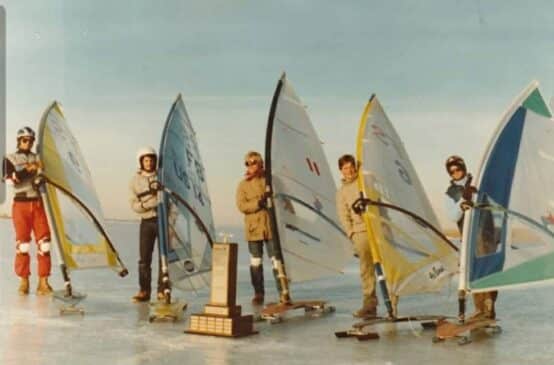
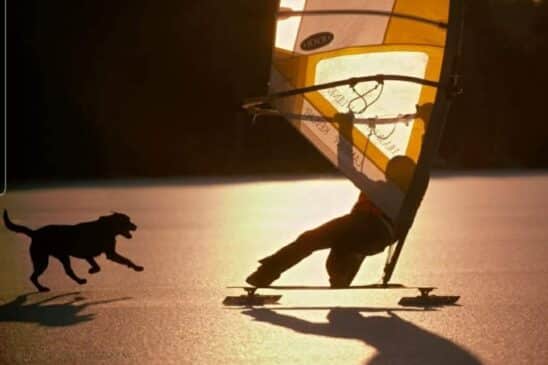
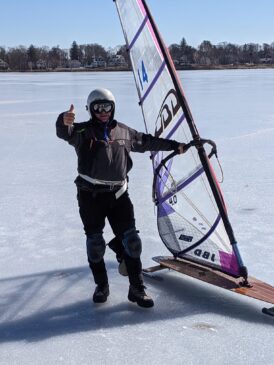
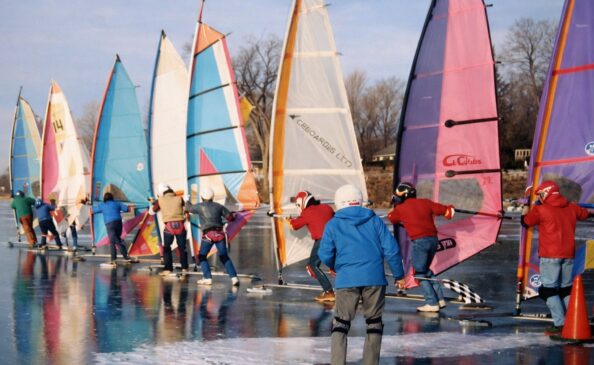
New Jersey’s modern contribution to iceboating runs straight through Long Branch and into the evolution of the sport itself. One of the most important figures is Mark Mindnich of Long Branch, the inventor of the Freeskate iceboard. Mindnich did not just experiment with an idea. He created the first true production model of its kind, transforming ice sailing into something stripped down, accessible, and intensely physical. Freeskate removed the hull entirely, placing the sailor directly on blades with a handheld sail, and in doing so created an entirely new racing class that spread far beyond New Jersey. It was a radical shift that echoed the same leap the DN class made decades earlier, proving that less equipment could mean more speed and more sensation.
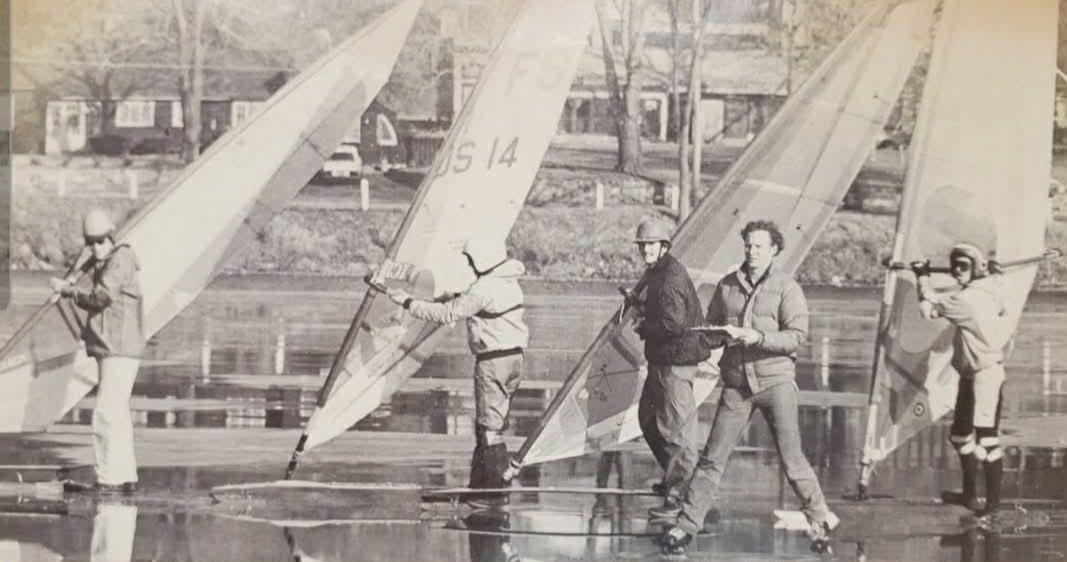
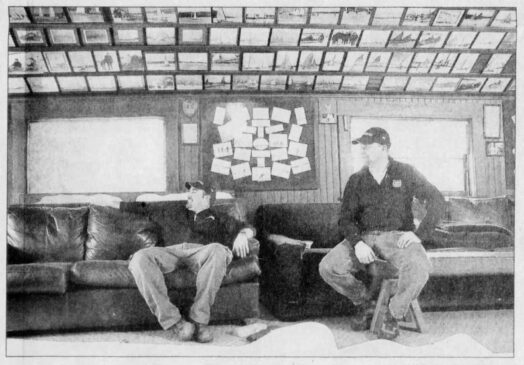
Left to Right: Chris Caldwell, Jeff Brown, John Ray and Dave Sidun.
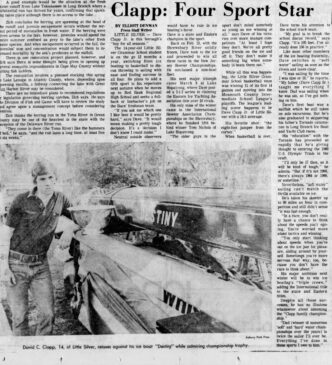
Alongside the Freeskate innovation is the quieter but equally meaningful lineage carried by Dave Clapp, also of Long Branch. Clapp represents the generational passing of iceboating knowledge, having learned the sport from his father, who owned and sailed a beautiful traditional ice yacht. Dave’s father, Dan Clapp, revolutionized the skeeter class with his advanced designs and has set the bar in competition wining an unprecedented 7 world skeeter championships. Through families like the Clapps, iceboating was not just preserved but lived, taught, and respected as both craft and culture. Together, figures like Mindnich and Clapp show how New Jersey bridged old and new, honoring classic ice yachts while helping invent the future of ice sailing.
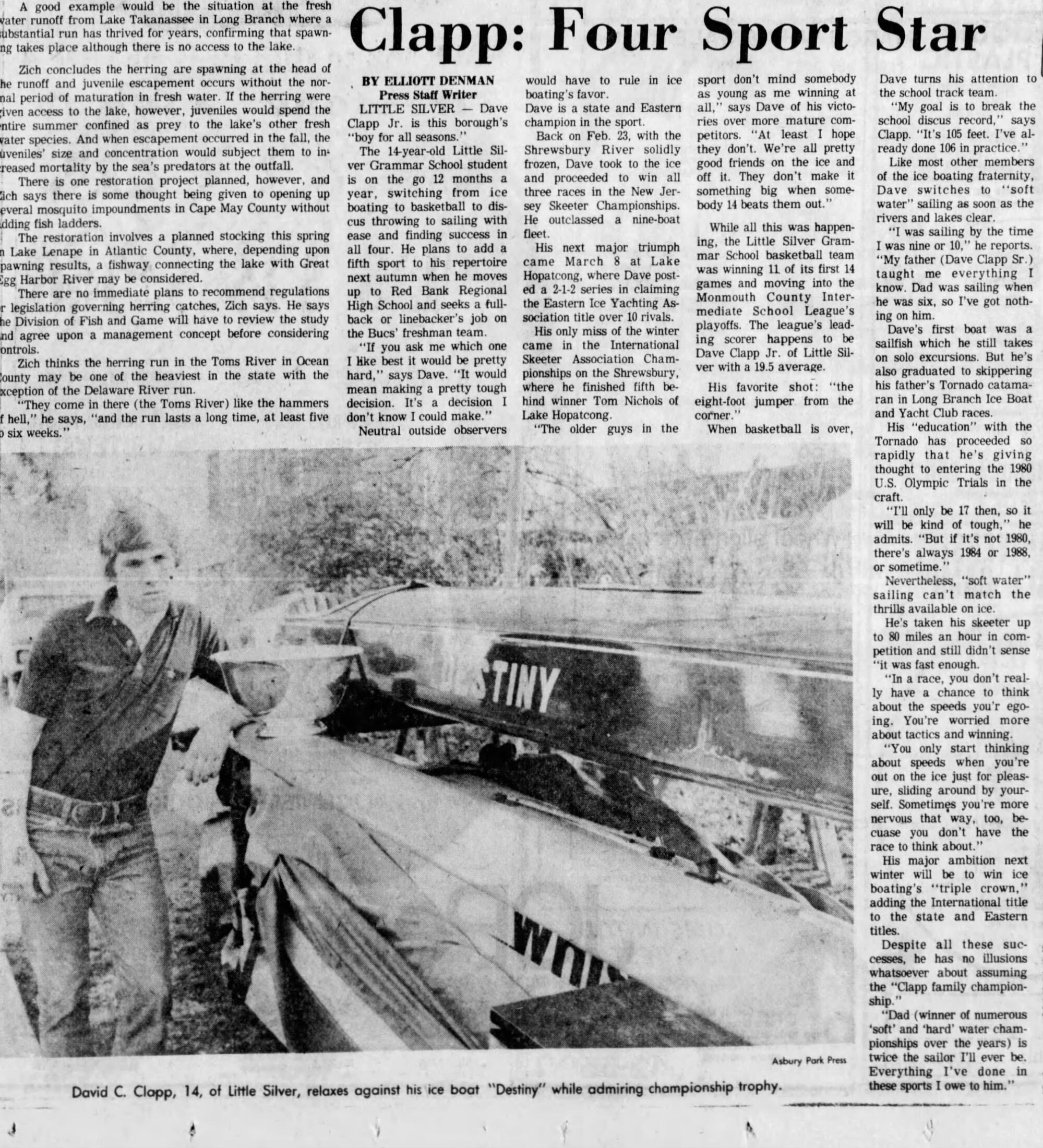
By the late 1980s, a tight circle of sailors had turned winter into a shared adventure, chasing wind and ice up and down the Northeast. Jeff Brown, Paul Mindnich, Dave Clapp, Dave Sidun, Mark McGraw, Greg Grim, Dennis & Barb Dempsey, Teddy and Sammy, Brooks Betz, Jack Bushko, and others would load cars in New Jersey and head north, freeskating hard all day on perfect ice, then ending the night warming themselves by a roaring fire at whatever restaurant was open and welcoming. Most of them had first met as windsurfers, bonded by wind and water long before blades ever touched ice. That shared background carried through all four seasons. Summer sailing turned into fall winds, winter ice, and spring thaw, with friendships strengthened mile by mile and season by season. What made it special was not just the speed or the conditions, but the sense that everyone was in it together. No formal structure, no agenda, just wind driven people following the forecast, sharing rides, sharing meals, and building memories that still define what iceboating community means decades later.
Some of My Favorite Ice Sailing Pics (Digital Photo Album)
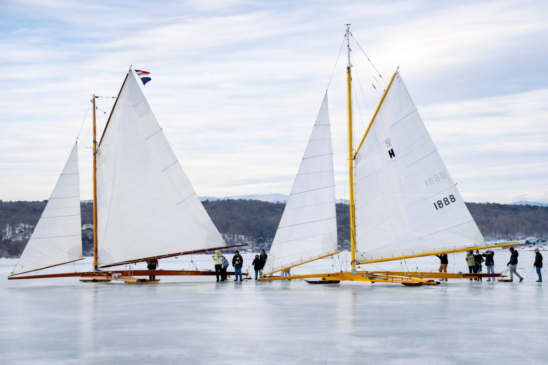
2014 - The Rocket, a restored 1888 Class One Stern Steer, sailed on the ice for the first time since the 1920s alongside the only other remaining boat in her class, the equally humongous, Jack Frost of the Hudson River Ice Yacht Club All of the labor of love came to fruition on the Hudson on the boat, skippered by Dan Clapp of Fair Haven and crewed by Petersen, Rick Disbrow of Brick, Mike Soldati of Red Bank and Fred Filappone of Oceanport.