Our story begins as we were researching another story tied to swim clubs in New Jersey’s Basking Ridge area, and we were preparing a story about Millington’s Clover Hill Swim Club. A fun story you can read later, but what we uncovered had us all say, “stop that work, as we found another swim club in the area known as the Mill Ridge Swim Club, a more affordable swim club more into the Great Swamp region off White Bridge Road. That research brought us to where we’re at now…..
PREVIEW RELEASE:
For those who subscribe to early releases of Mr Local History Research. Additional updates will be provided as we receive answers to our research requests from our sources.
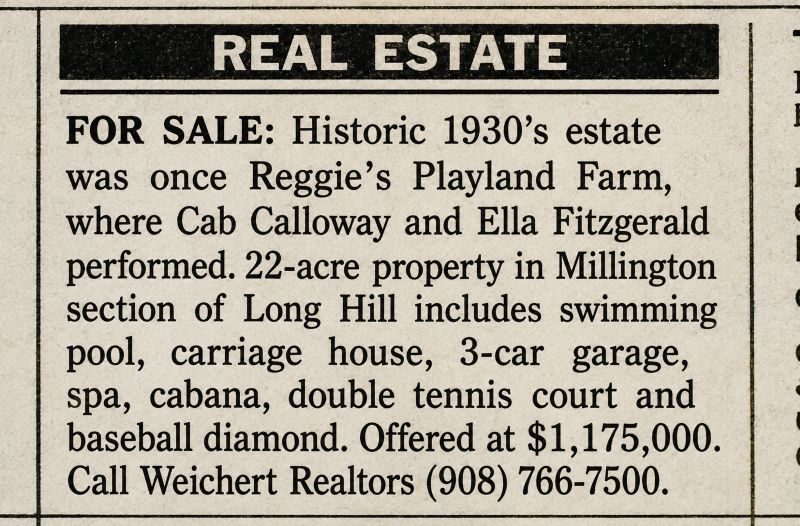
Before the Mill Ridge Swim Club existed, it was known as Reggie’s Playland Farm, and we found a strange real estate listing from 2002 that said:
WHAT?
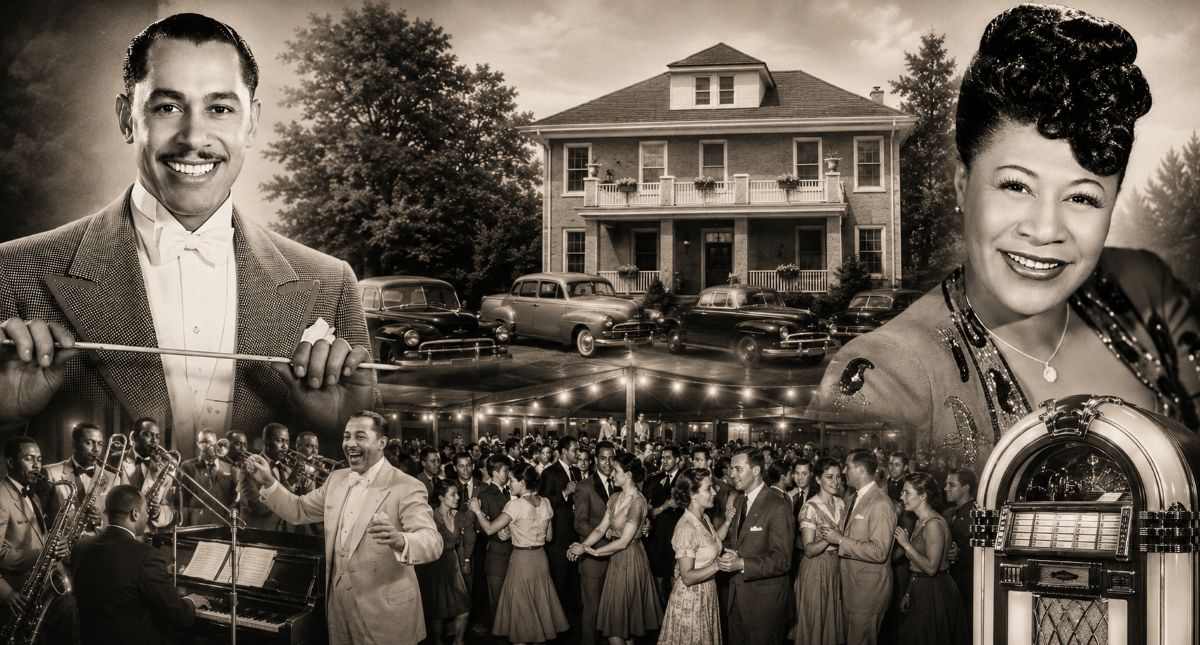
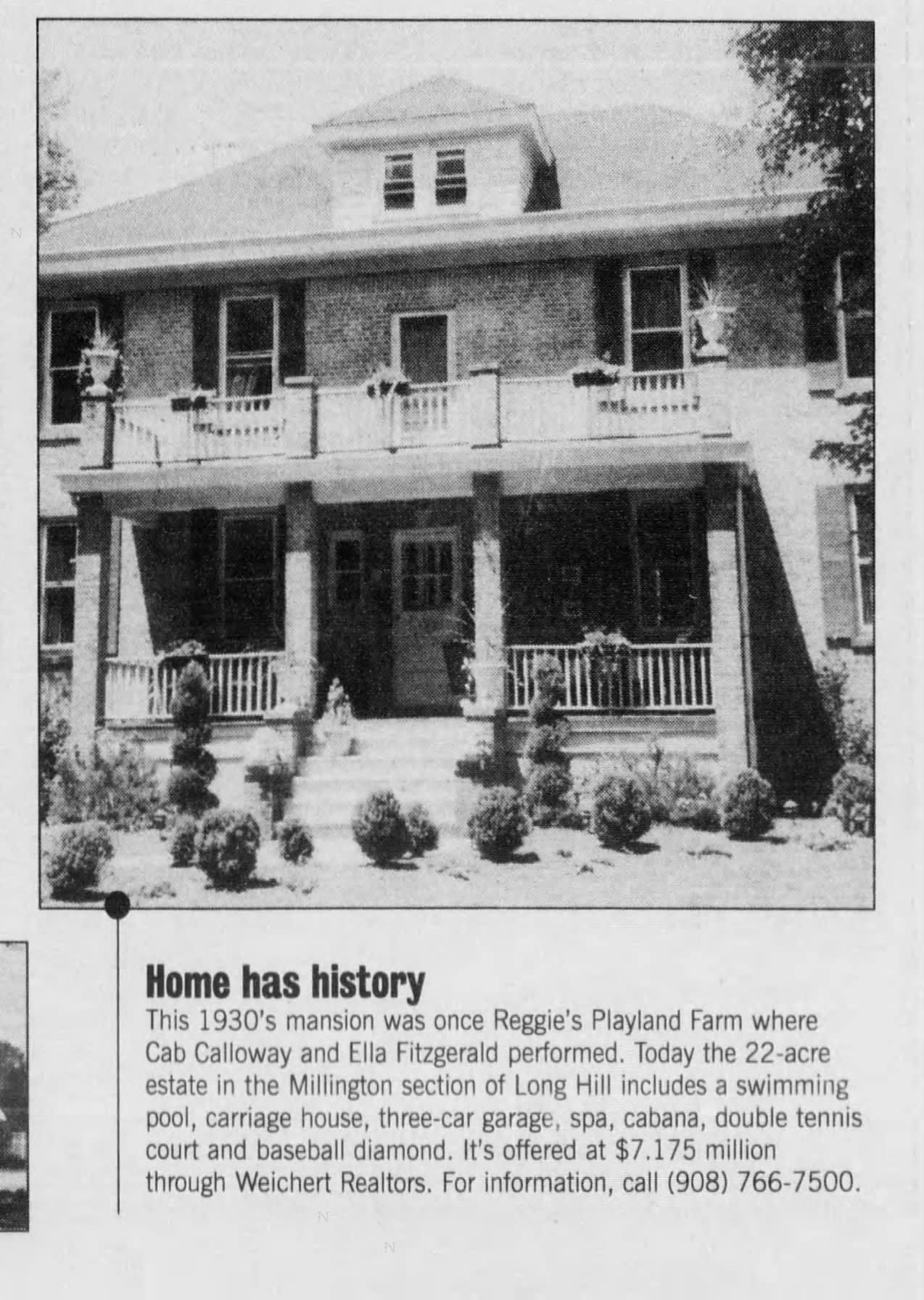
A 1930’s estate was once Reggie’s Playland Farm, where Cab Calloway and Ella Fitzgerald performed?
22-acre estate in the Millington section of Long Hill includes a swimming pool, carriage house, three-car garage, spa, cabana, double tennis court, and baseball diamond.
It’s offered at $1.175 million through Weichert Realtors. For information, call (908) 766-7500.
We were hooked and dropped every other story to focus on this one, an iconic jazz club on the edge of the Great Swamp before there was a Great Swamp that has to have one of the most incredible stories to tell. Well, let’s do it.
Introducing Reggie’s Playland Farm
Long before the site became Mill Ridge Swim Club, it was known as Reggie’s Playland Farm, one of the most remarkable properties in the Somerset Hills. Nestled on more than 22 acres along White Bridge Road in Millington, the estate evolved from a glamorous jazz-era social club into a Green Book destination welcoming African American travelers, then into a beloved private swim club, and finally back to a private residence.

Everett Reginald “Reggie” Drew was more than the owner of Reggie’s Playland Farm; he was a visionary entrepreneur who created one of northern New Jersey’s most significant African American recreational destinations during the era of segregation.
Born in Morristown in 1901, Reggie Drew spent years working in the hotel and restaurant industry before purchasing property on White Bridge Road and opening Reggie’s Playland around 1942. At a time when Black families often had few welcoming places to gather, Drew built a destination that offered swimming, dining, dancing, overnight accommodations, and outdoor recreation in a safe, well-maintained setting.

Known for his integrity and high standards, he and his wife Minnie earned the respect of both their patrons and the local community, establishing Reggie’s Playland as a beloved summer retreat that would later evolve into the Mill Ridge Swim Club. Along the way, Reggie’s became connected to legendary performers, civil rights history, and generations of local families, making it one of the area’s most fascinating and overlooked historic landmarks.
The Green Book – Reggie’s Playland Farm
Published annually from 1936 through 1966, The Negro Motorist Green Book was an indispensable travel guide for African American motorists during the era of segregation. Created by New York postal worker Victor H. Green, the guide listed hotels, restaurants, tourist homes, gas stations, resorts, and other businesses where Black travelers could expect to be welcomed and treated with dignity. At a time when discrimination was widespread and even a simple road trip could be dangerous, the Green Book provided a trusted roadmap to safe accommodations across the United States.
Among those listings, MLH researchers found Playland Farms in Millington, making the former Reggie’s Playland Farm one of the relatively few documented Green Book destinations in New Jersey. Its inclusion suggests that African American travelers could find lodging, recreation, or hospitality there during a period when many similar establishments remained closed to them.
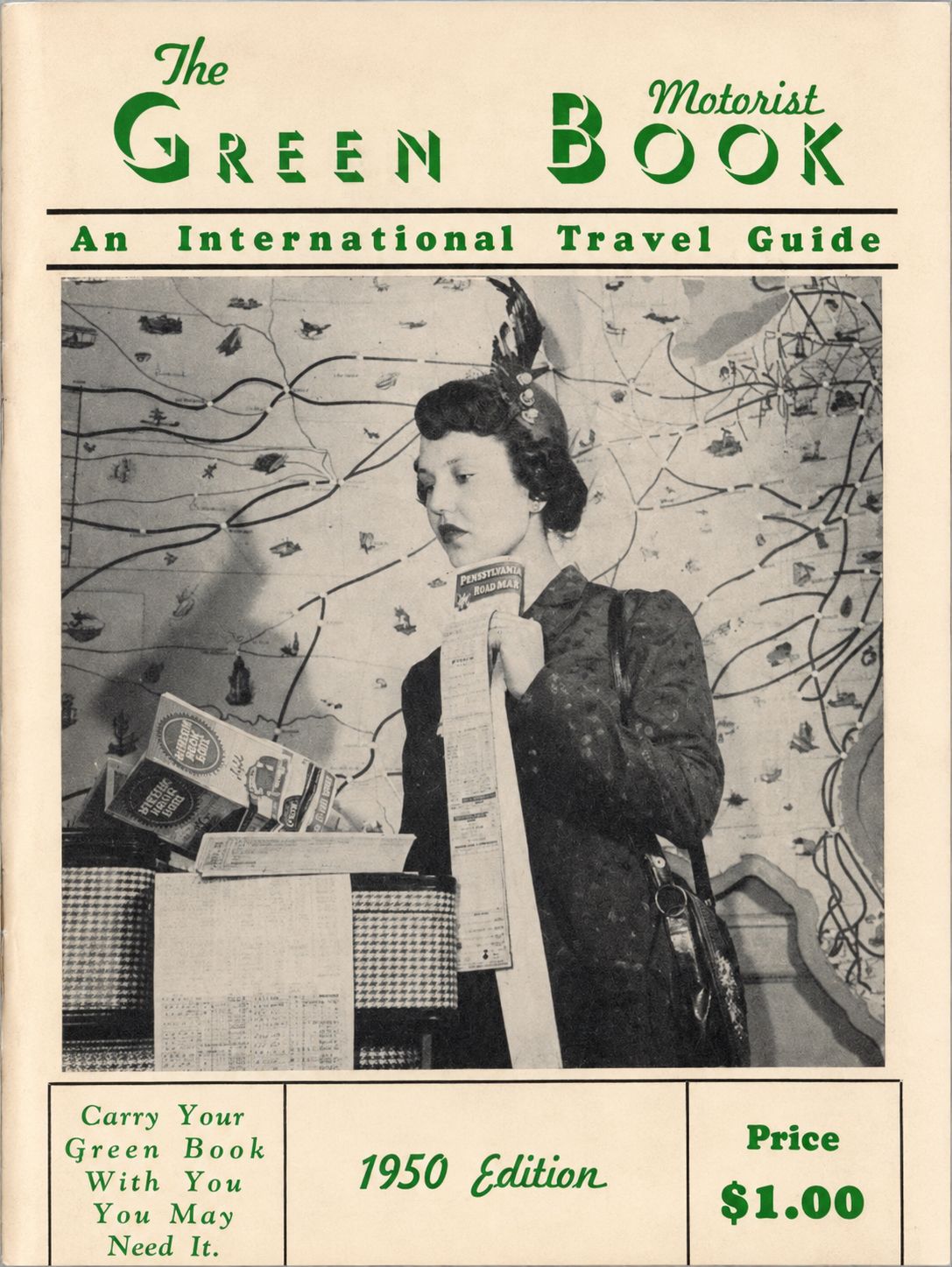
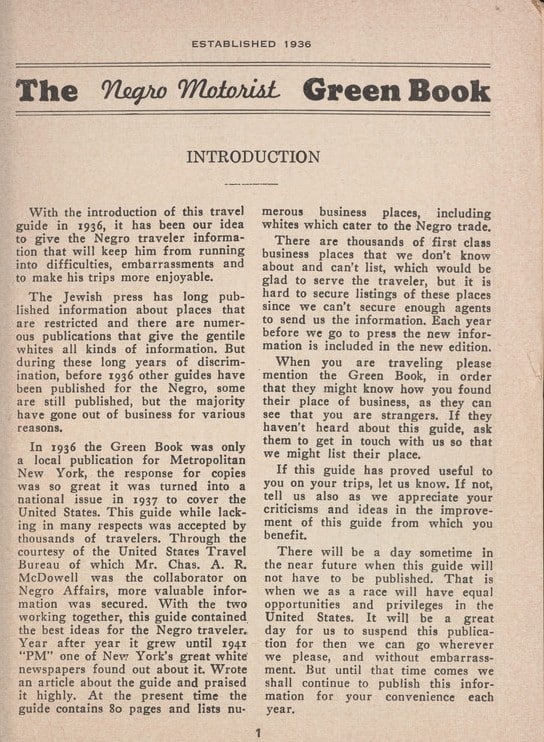
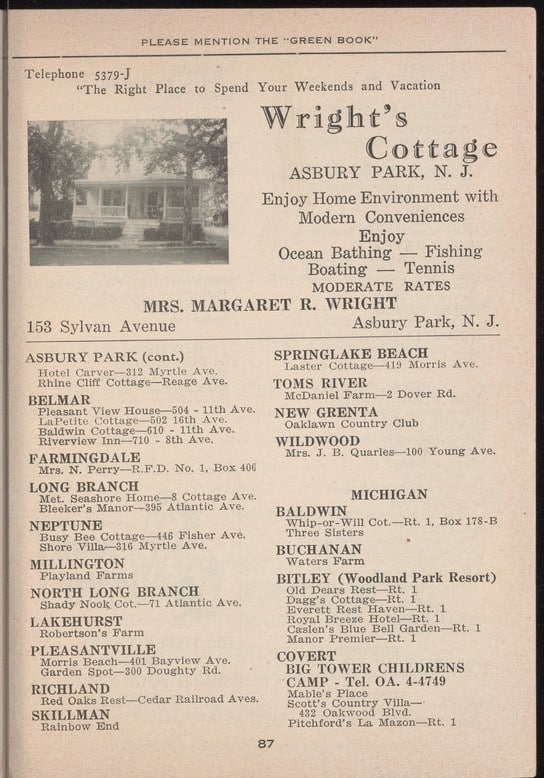
Page 87 – Millington, New Jersey – Playland Farm
For those who never saw it, the film Green Brook was an absolute gem….
Reggie’s Playland Farm Attractions
Playland Farm being listed in the Negro Motorist Green Book, the nationally recognized travel guide that identified welcoming businesses for African American travelers during the era of segregation, its inclusion confirms that visitors from across the region knew they would find not only food, recreation, and overnight accommodations, but also a place where they would be welcomed, making Reggie’s Playland Farm an important and inclusive destination during a time when such places were all too rare.
Rumor had it that if you were lucky enough to spend a summer evening at Reggie’s Playland Farm, you might hear the unforgettable sounds of Cab Calloway belting out “Minnie the Moocher” or Ella Fitzgerald captivating the crowd with “A-Tisket, A-Tasket.” Whether visitors came for the music, a meal at the bar and grill, an overnight stay, or simply a relaxing day in the country, Reggie’s offered a unique escape from city life.
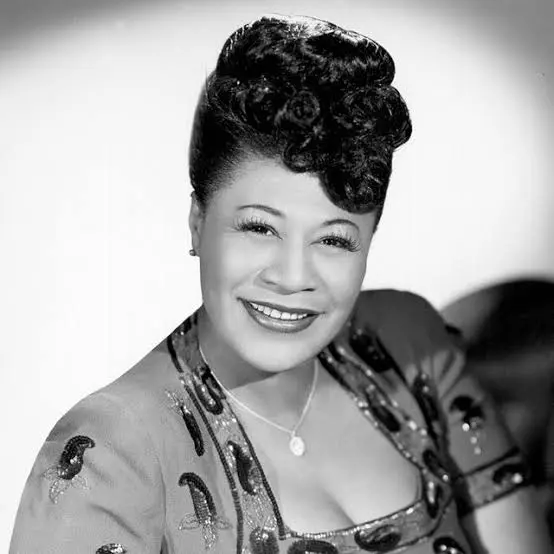
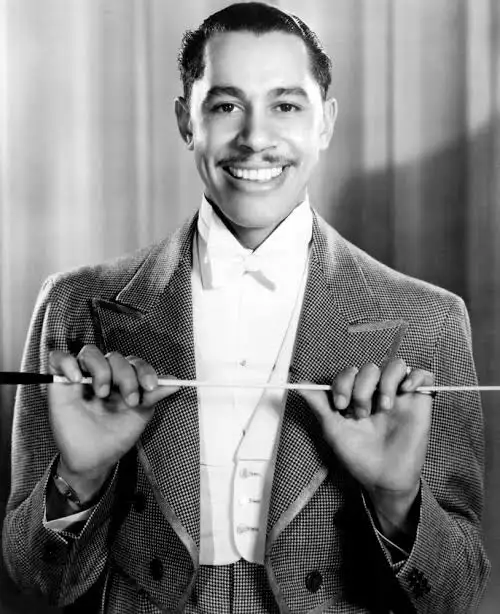
From the 1930s through the 1950s, Reggie’s Playland Farm earned a reputation as one of northern New Jersey’s most entertaining summertime destinations, where music, laughter, and hospitality blended into memories that lasted a lifetime. That reputation extended well beyond the local community.
A Century of Change
As MLH kept digging, each generation saw something different when they looked out over this property on White Bridge Road. To early residents, it was simply a farm, one of many scattered along the edge of the Great Swamp. The earliest aerial photographs from 1931 reveal open fields, a farmhouse, barns, and agricultural land that had probably been worked for decades.
As farming declined after World War II, the property entered an entirely new chapter. At some point, it was acquired by the Brazilian Society, Inc., which began transforming the quiet farm into a recreational retreat. The farm buildings remained, but swimming pools, tennis courts, bathhouses, and picnic grounds slowly replaced fields that had once produced crops.
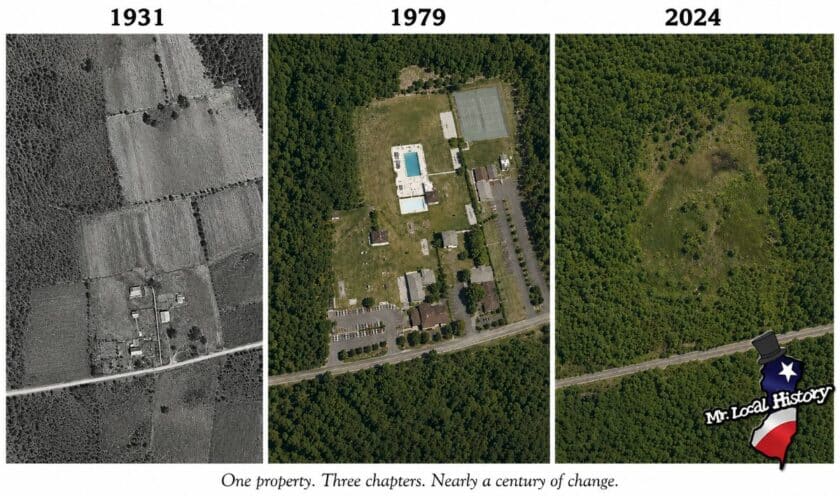
By the 1960s and 1970s, another transition had taken place. Under new ownership, the property became the Mill Ridge Swim Club, a place where thousands of local families spent their summers. Children learned to swim, teenagers worked their first jobs as lifeguards, swim teams competed, and generations returned year after year. What had once fed families through agriculture was now creating memories instead. Eventually, even that chapter came to an end.
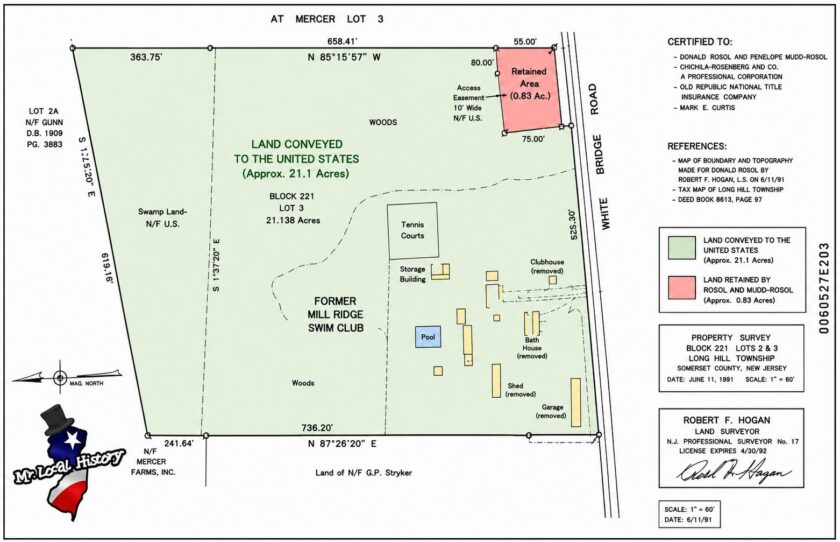
Donald Rosol and Penelope Mudd-Rosol became the property’s final private owners before its most dramatic transformation. In 2002, approximately 21.1 acres were sold to the United States for incorporation into the Great Swamp National Wildlife Refuge, while a small 0.83-acre parcel was retained. Within only a few years, the pools, clubhouse, tennis courts, and many of the remaining structures disappeared. Nature slowly reclaimed the landscape.
The Sale that Returned a Farm to the Great Swamp
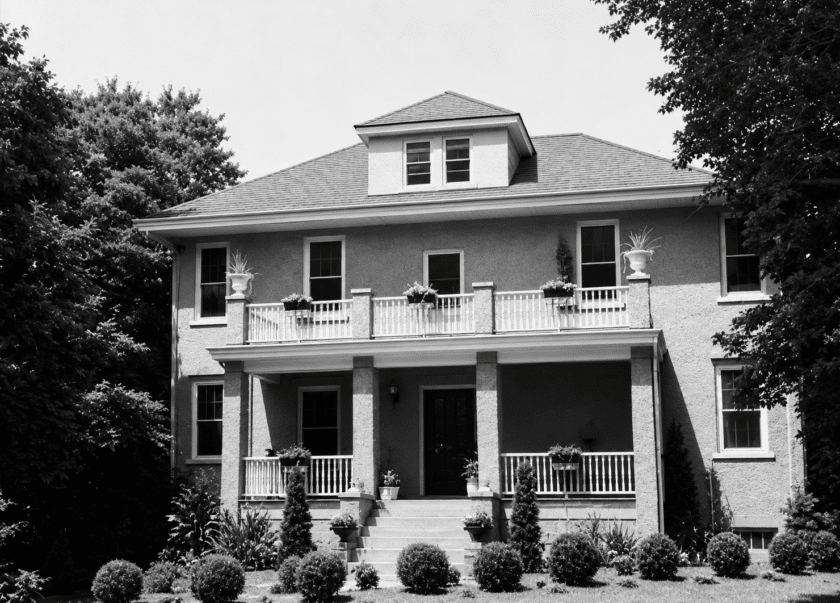
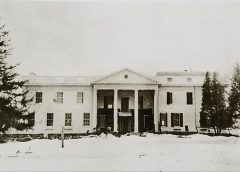
In 2002, the Mill Ridge Swim Club estate offered an extraordinary combination of historic charm and recreational amenities. The three-level brick Southern Colonial mansion featured a welcoming front porch, hardwood floors with decorative inlays, nine-foot ceilings, crown moldings, crystal lighting, multiple fireplaces, a gourmet kitchen with granite countertops and custom cabinetry, three bedrooms, a renovated master suite, and a finished third-floor attic. A separate two-story carriage house provided four additional bedrooms, two bathrooms, a full kitchen, and a living room, making it ideal for guests or extended family.
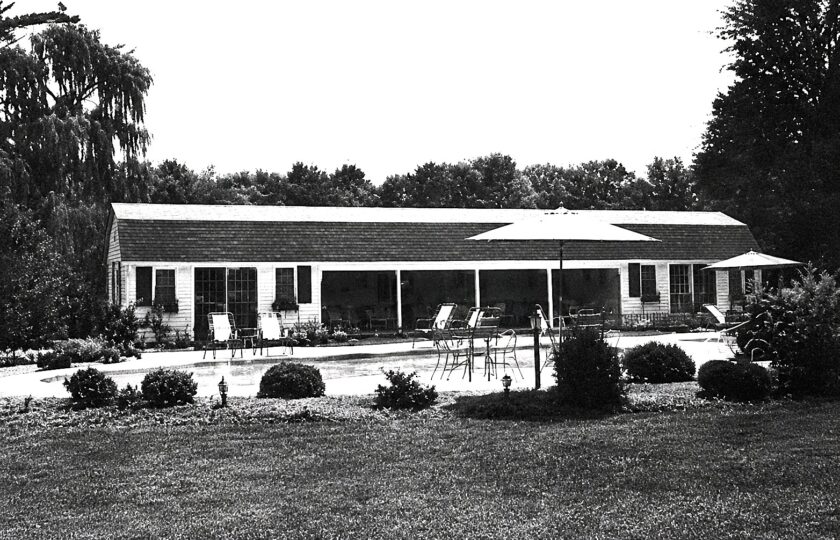
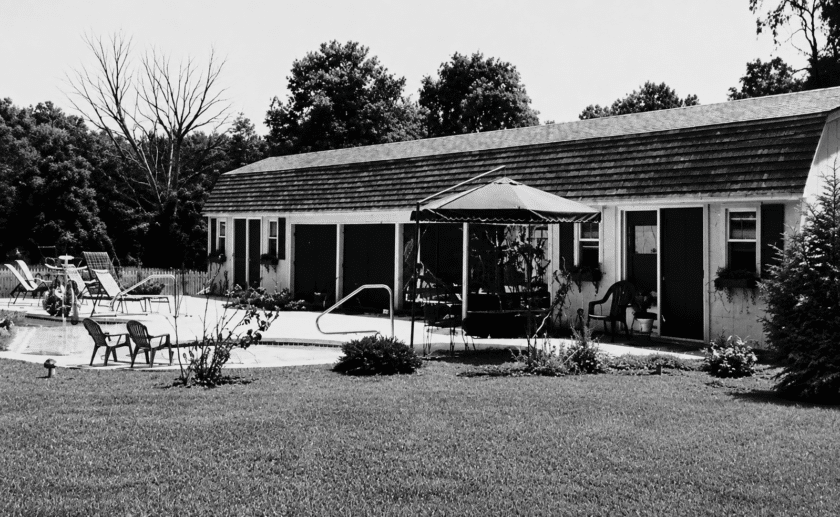
Outside, the 22-acre property was equally impressive. The grounds included a 20-by-40-foot in-ground swimming pool, a 12-foot whirlpool spa, a pool house, a cabana, a covered patio, a party room, a double tennis court, a baseball diamond, barns, and beautifully landscaped gardens with mature specimen plantings. Surrounded by open space, the estate blended luxury living with recreation, preserving many of the features that had made Reggie’s Playland Farm and later Mill Ridge Swim Club a beloved gathering place for generations.
“Map of Property for Brazilian Society, Inc., Long Hill Township, Morris County, New Jersey, prepared by Walter J. Van Treek Jr., Professional Land Surveyor, dated February 18, 1977.” (still searching for this map)
Following the closure of the Mill Ridge Swim Club, the property’s future took a very different direction. On April 8, 2003, owners Donald Rosol and Penelope Mudd sold most of the approximately 22-acre property to the United States for $900,000, adding it to the Great Swamp National Wildlife Refuge. Rather than being redeveloped, the land was acquired for conservation and habitat restoration.
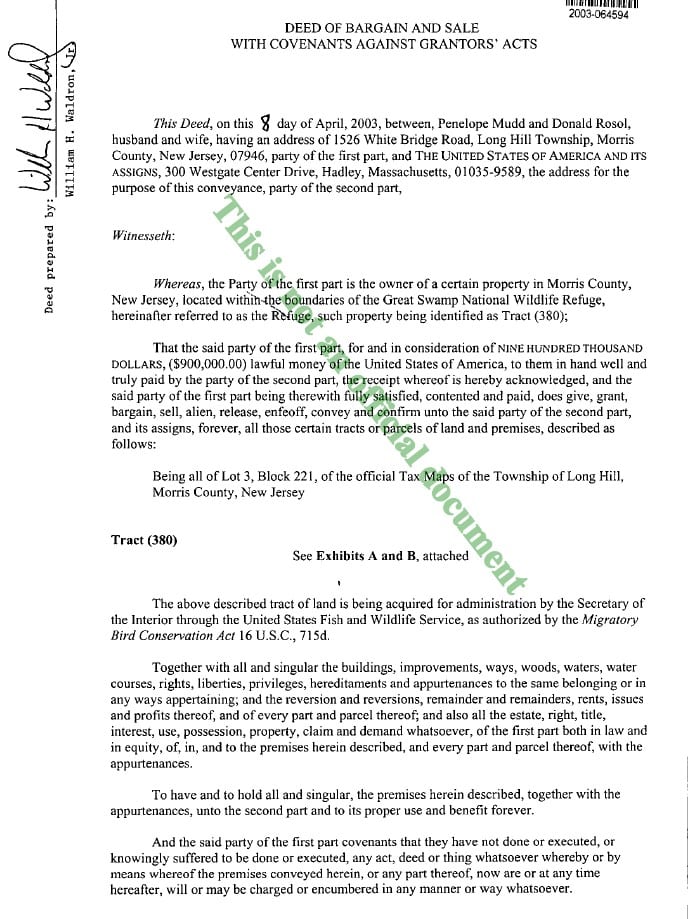
In its February 2004 newsletter, Friends of Great Swamp National Wildlife Refuge announced that the refuge had acquired the property at 1526 White Bridge Road, describing it as the former Mudd/Rose house and once the site of the Mill Ridge Swim Club. The newsletter noted that plans for the property were still being developed and that “some of the outbuildings will be demolished.” Over time, the former pools, clubhouse, tennis courts, and other recreational features disappeared from the landscape, leaving little evidence today that the once thriving summer destination ever existed. What was not sold to the Great Swamp was 0.83 acres, including the house, garage, and some of the land, but that would also be sold later and demolished.
Today
Today, visitors driving along White Bridge Road would never guess they are passing a place that has lived so many different lives. The fields became a farm. The farm became a private retreat. The retreat became one of the area’s favorite swim clubs. The swim club became protected wildlife habitat. Perhaps that is the property’s greatest story. Rather than disappearing, it simply kept reinventing itself, each generation leaving its own mark before passing the land to the next.
And on the same road…..
Related Posts
Our Readers’ Top 10 MLH Posts this Week



Timeline and Additional Notes / Questions & Remaining Research
| Date | Owner / Operator | Evidence | What We Know | Research Questions |
|---|---|---|---|---|
| 1856 | Henry B. Wilson | Deed Book P-5, Pg. 30 | One-half-acre parcel conveyed with a house and other improvements. | Is this the same house that later became 1526 White Bridge Road? |
| 1931 | Unknown | Aerial photograph | Property appears as a working farm with buildings along White Bridge Road. | Who owned the farm in 1931? |
| 1945 | Everett R. Drew | Newspaper advertisement | Playland Farm advertises Berkshire hogs on Pleasant Plains Road, Millington. | When did Drew acquire the property? |
| 1947 | Everett R. Drew | Liquor license, Board of Health, advertisements | Reggie’s Playland Farm evolves into a public recreation destination with food, lodging, a bar and grill, and entertainment. | When was swimming first introduced? |
| 1952 | Everett R. Drew | Newspaper article | Drew family still operating Playland Farm. | When did the Drews sell? |
| 1956 | John P. Jerling / Ruetter property | Fire article and Sheriff’s Deed | Farm buildings still existed. Property referred to as the Ruetter property, formerly owned by John G. Jerling. | How do Drew, Jerling, and Ruetter fit into the ownership chain? |
| 1965 | Warren C. Haeseker & Wallace F. O’Reilly | Liquor license and DB 1963, Pg. 240 | Operating the Mill Ridge Club before selling the property and liquor license to Fred and Marge Dauth. | When did Playland Farm become Mill Ridge Club? |
| 1965–1967 | Frederick G. & Margaret L. Dauth | Deed and liquor license notices | Dauths purchase and continue operating Mill Ridge Club. | Did the Dauths build the pools or inherit them? |
| By 1977 | Brazilian Society, Inc. | Van Treek survey | Brazilian Society owns the property. | When did the Dauths sell to the Brazilian Society? |
| 1979 | Brazilian Society | Aerial photograph | Mill Ridge Swim Club fully developed. | What improvements were made during this ownership? |
| 1988 | Brazilian Society | Mortgage records | Property mortgaged to First Fidelity Bank. | Why was the property mortgaged? |
| 1991 | Brazilian Society | Superior Court Judgment | Foreclosure entered. | What caused the foreclosure? |
| 1993 | Donald Rosol & Penelope Mudd | Sheriff’s Deed DB 3803, Pg. 97 | Property acquired following foreclosure. | What remained of the club at this point? |
| 1990s? (Needs Verification) | Bailey Brower Jr. | Personal recollection | Reportedly owned Mill Ridge Swim Club, Clover Hill Swimming Club, and Copper Springs, and developed several hundred acres in Millington. | Verify ownership dates, purchase documents, corporate records, and whether Brower owned Mill Ridge before or after the Brazilian Society. |
| 2002 | Donald Rosol & Penelope Mudd-Rosol | Federal acquisition deed | Approximately 21.138 acres sold to the U.S. Fish & Wildlife Service, retaining a 0.83-acre parcel. | Did the retained parcel contain the original farmhouse? |
| 2003 | United States | DB 5827, Pg. 298 | Property officially becomes part of the Great Swamp National Wildlife Refuge. | When were the remaining buildings demolished? |