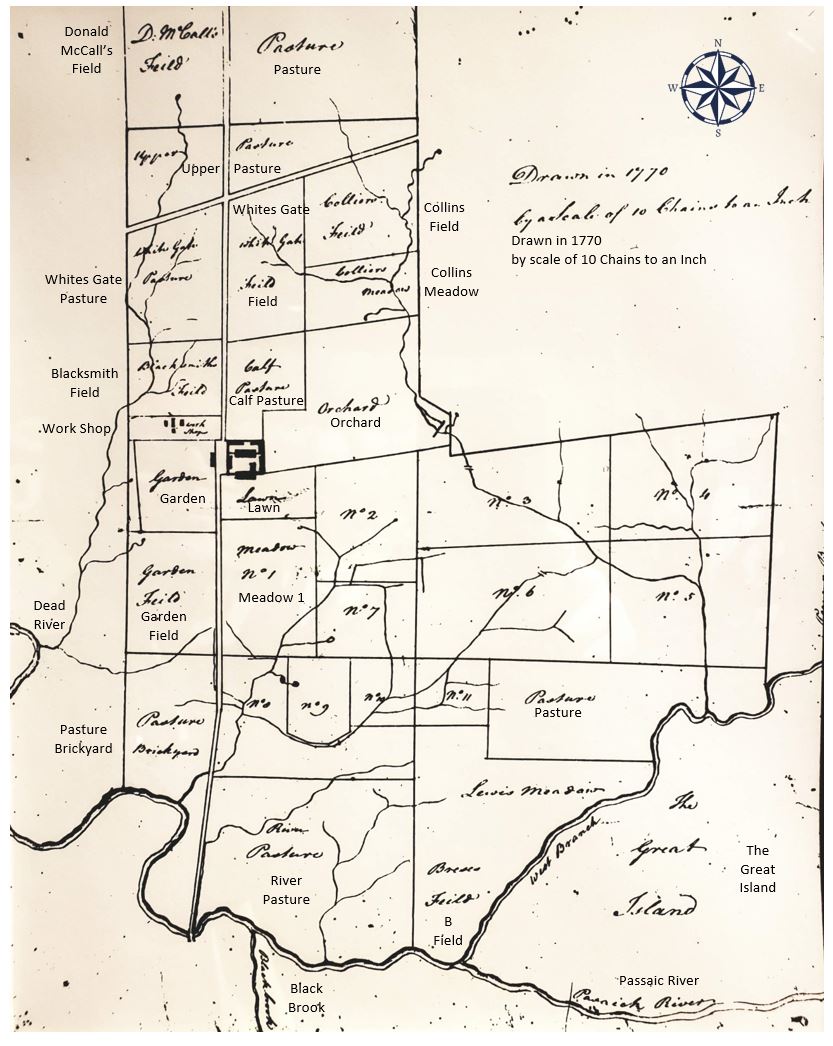
For more than 250 years, one of colonial New Jersey’s greatest mysteries has rested quietly beneath the fields of Basking Ridge. Known as “The Buildings” by local residents, Lord Stirling’s magnificent estate was once considered among the grandest country manors in the colonies—a sprawling Georgian-Palladian complex complete with formal gardens, stables, courtyards, vineyards, and a mansion that rivaled the finest homes of its era.
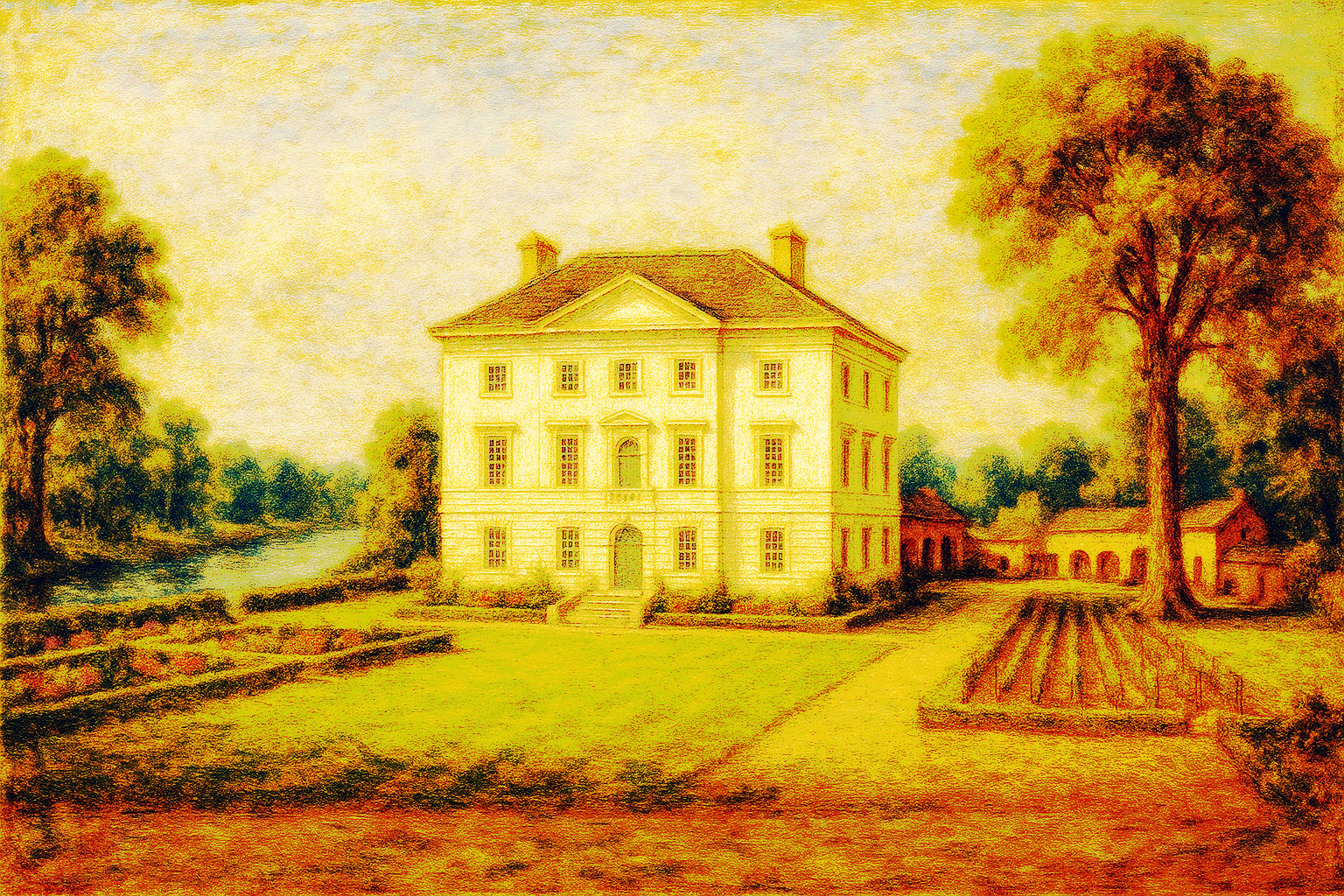
Yet the manor itself vanished long ago, leaving behind only fragments of foundations, scattered artifacts, and a handful of surviving outbuildings. Today, archaeologists, historians, and researchers are working to uncover the lost story of William Alexander’s remarkable estate, using excavation, historic records, maps, and emerging evidence to answer a fascinating question: What exactly did Lord Stirling build in Basking Ridge, and how much of it still survives beneath the ground waiting to be rediscovered?
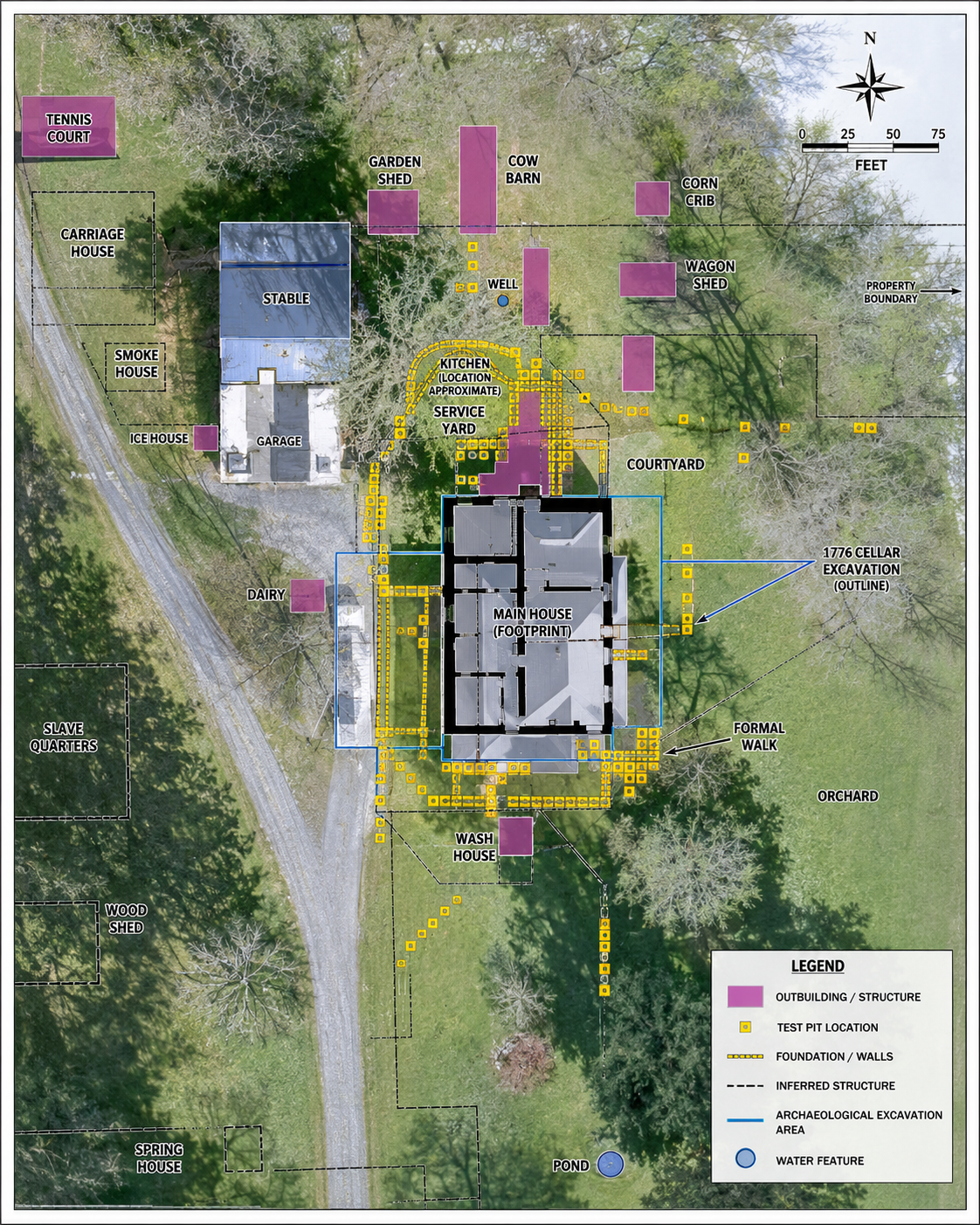
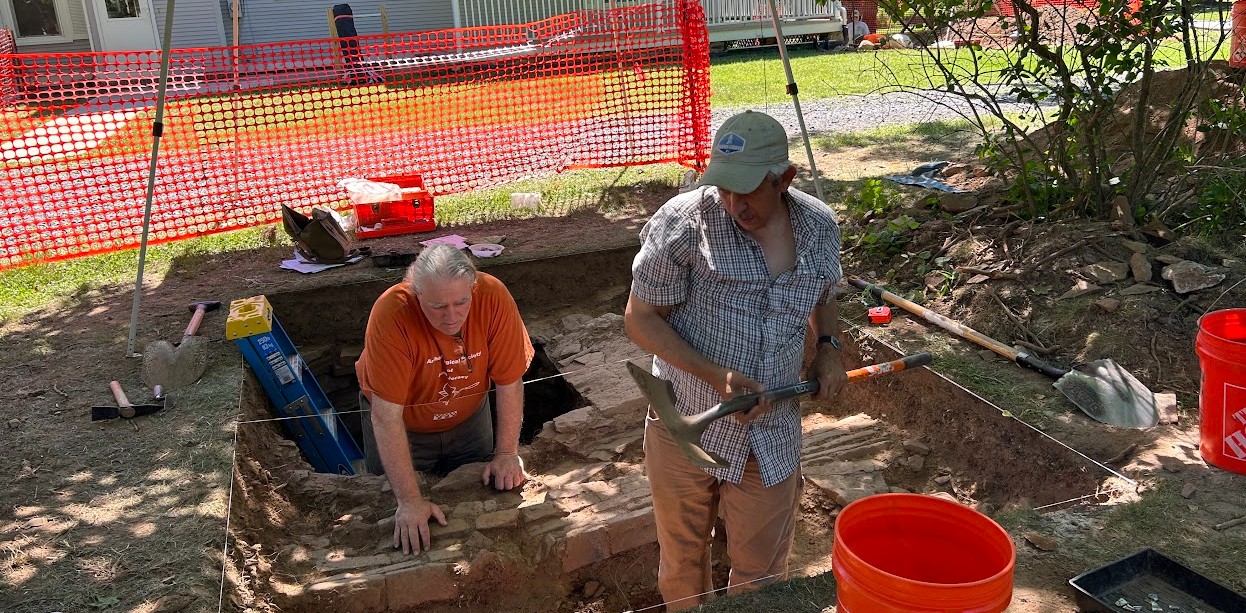
The recent archaeological investigations are entering an exciting new phase as researchers work to verify remote sensing discoveries and uncover the precise locations of the many buildings that once surrounded Lord Stirling’s grand estate. Evidence suggests the complex was organized around a substantial walled double courtyard, offering new clues into the scale and sophistication of one of colonial New Jersey’s most important manors. Perhaps most intriguing is the effort to determine the true footprint of the original mansion itself.
Portions of its cellar are believed to survive beneath a later Montgomery Ward catalog house that now occupies the site. As excavations continue, each discovery brings historians closer to revealing the full layout, size, and appearance of Lord Stirling’s lost estate—an important step in understanding the home of one of New Jersey’s most influential Revolutionary War figures.