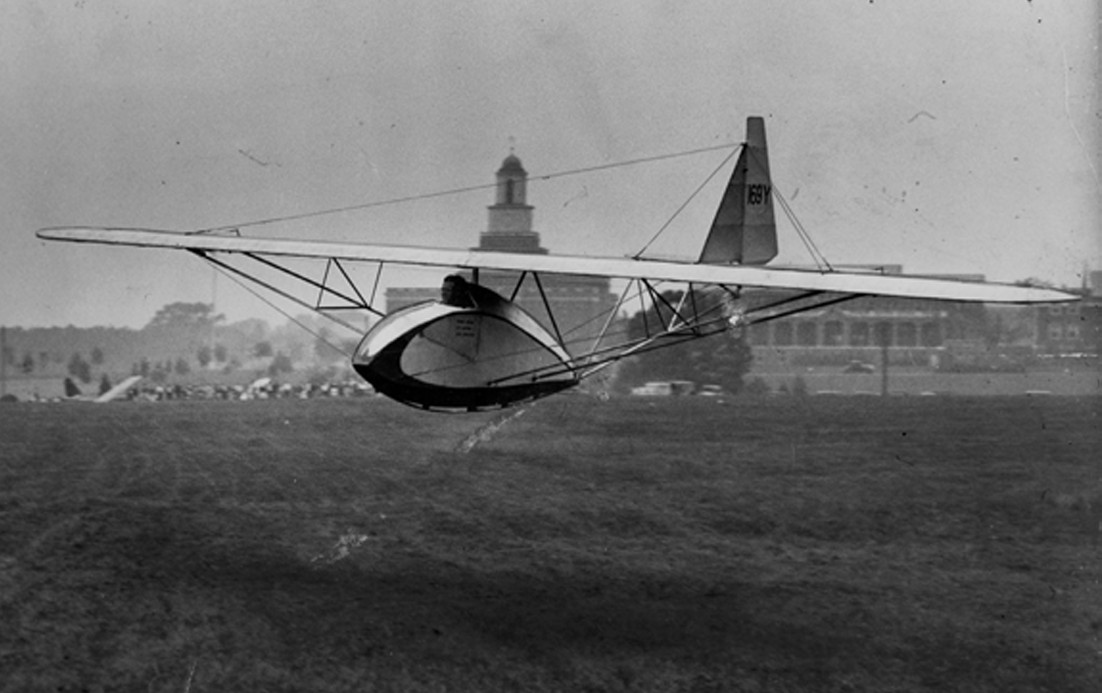
Lyons Glider Field Jack Streeter Y Secondry Y Glider Club at Lyons VA field
Before the Schley Glider Field rose to fame in Liberty Corner, New Jersey, a quiet field in the Lyons section of Bernards Township launched the state’s first glider site for a generation of aviators.
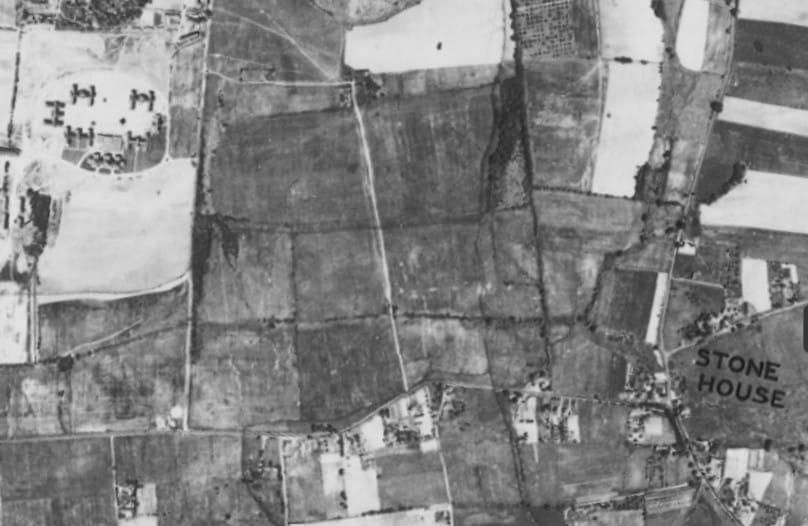
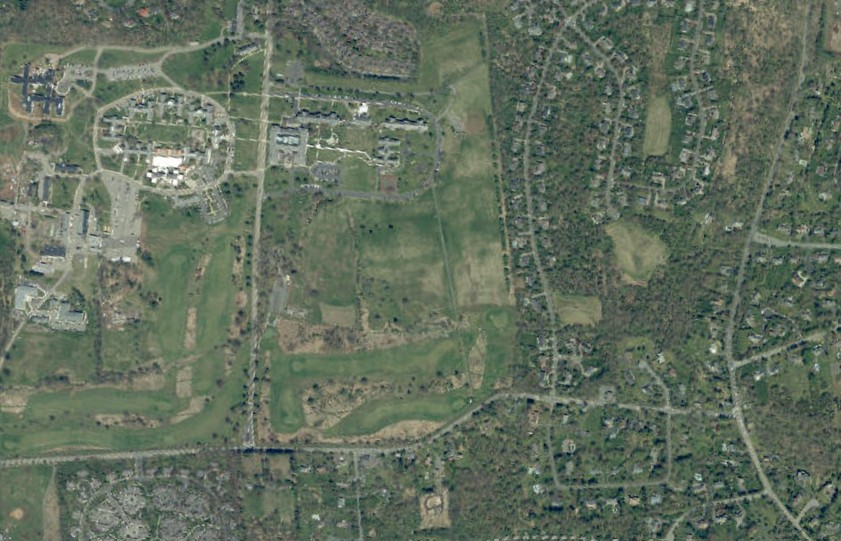
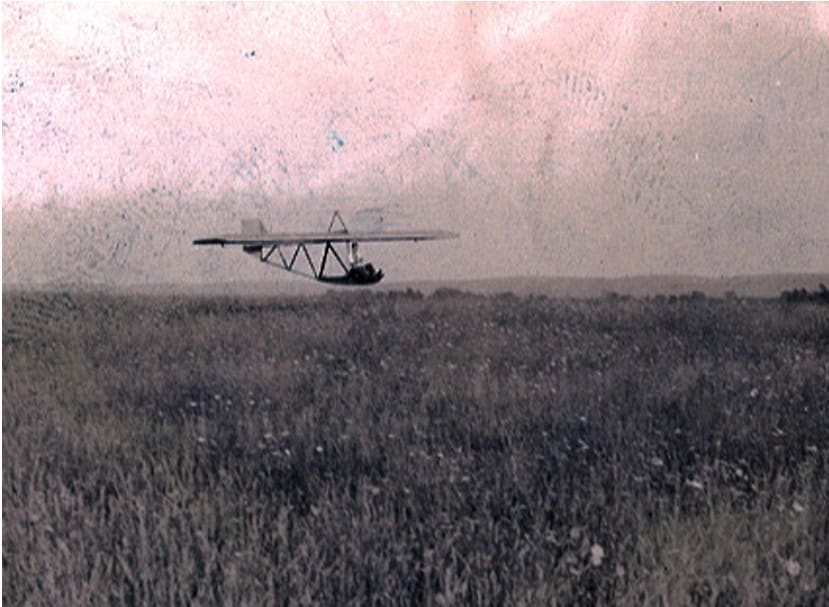
The quiet stretch of farmland along Valley Road in Lyons served as the state’s first organized home for soaring. The field, lying flat on the valley floor near the Lyons railroad station, was surrounded by open meadows and dairy pastures that provided clear approaches from every direction, perfect for short training flights. Here, the Aero Club Albatross of Irvington and the newly formed Associated Glider Clubs of New Jersey established their early base of operations about 1930. Using a car-powered winch with roughly two thousand feet of rope, pilots launched their handmade wooden gliders into the air. A jacked-up automobile served as the power source, spinning a drum that catapulted the aircraft to about 300 feet before release, where pilots would catch brief thermals rising off the Bernards Valley.
The terrain was gentle and forgiving, ideal for newcomers mastering the delicate art of silent flight. Between 1932 and 1934, Lyons Field recorded thousands of successful launches and landings, earning it the nickname “New Jersey’s schoolyard of soaring.” Flights rarely lasted more than a few minutes, but the grass runway and its nearby barn, used as a hangar and workshop, became a familiar sight to locals who lined Valley Road to watch. The area was called the West Millington Gliderport in the 1934 Bernardsville Newspaper
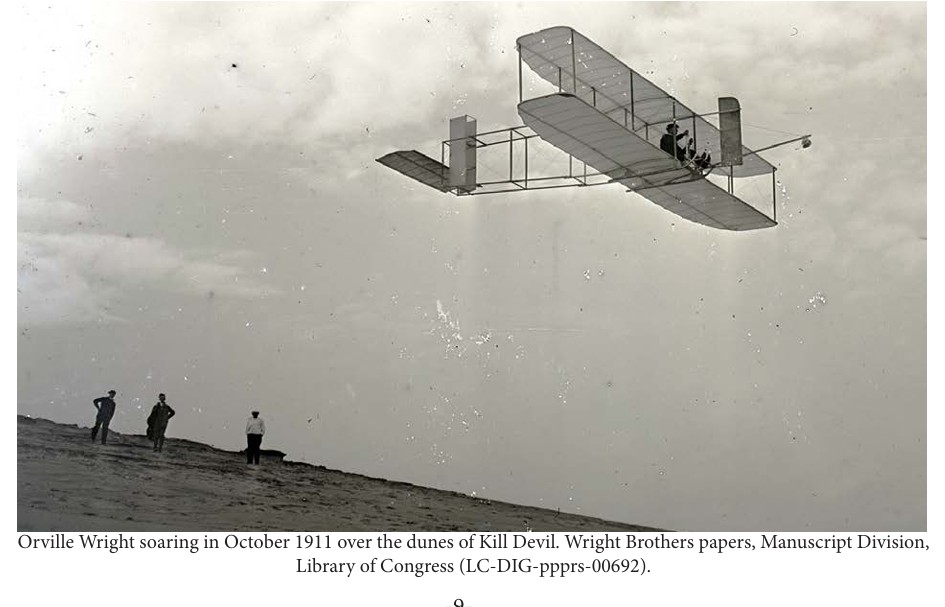
Glider flight marked the beginning of human aviation, with pioneers like Otto Lilienthal and the Wright brothers proving that controlled, sustained flight was possible without engines. Before achieving powered flight in 1903, the Wright brothers conducted hundreds of successful glider tests between 1900 and 1902, refining wing shapes and control systems that laid the foundation for modern aeronautics.
After 1903, powered flight advanced quickly, but gliding remained vital for testing wing shapes, controls, and stability. World War One accelerated knowledge of aerodynamics and structures, and in the 1920s a soaring boom led by Germany at the Wasserkuppe refined ridge and thermal soaring, popularized winch and bungee cord launches, produced landmark designs, and inspired clubs in Britain and the United States, so that by the late 1920s organized soaring and record attempts were well underway and places like Schley Field launched the path forward.
Those who sponsored and organized the events at the Lyons field were primarily aviation clubs and organizations rather than individuals. The Associated Gliding Clubs of New Jersey served as the main sponsor and governing body for the annual meets. This statewide organization coordinated the competition rules, trophies, and safety oversight.
The local host and organizing group was the Aero Club Albatross, which began at the Lyons Field in West Millington. This club handled most field operations, training, and public events. The club’s members included pilots, mechanics, and aviation enthusiasts from nearby towns such as Newark, Morristown, and Plainfield. The Albatross club also supplied most of the gliders used in demonstrations and contests.
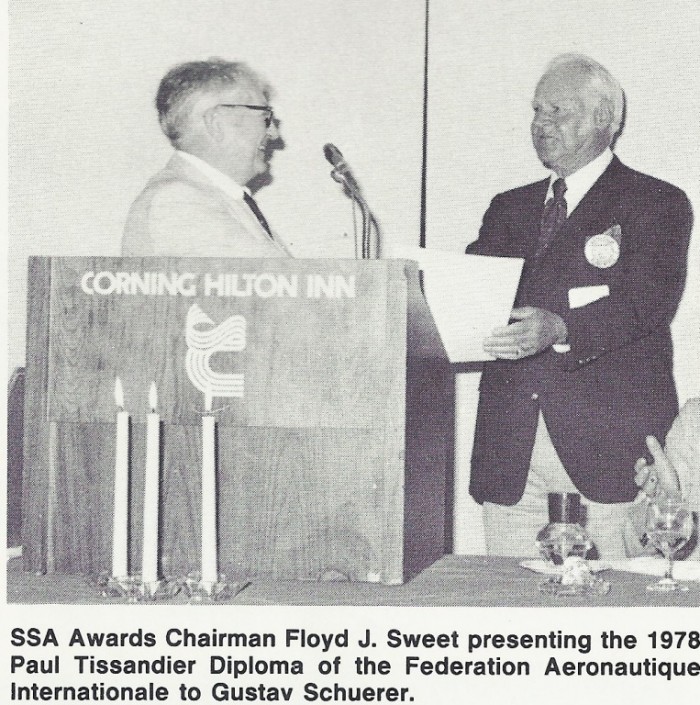
Another group was the YMCA of Orange, New Jersey. As their skill and confidence grew, the group expanded beyond the YMCA’s walls and became known as the Y Flying Club. By the mid-1930s, they joined other local aviators to develop Schley Field atop Schley Mountain in Liberty Corner, Bernards Township, transforming it into one of the region’s most active glider sites. The club’s pioneering efforts helped introduce winch launching to American soaring, a method that would later become standard practice. Among their ranks were names that would shape New Jersey’s soaring legacy, including Frank Apgar, Les Barton, Emil Kaunitz, and Gustav “Gus” Scheurer. What began as a youth project in a YMCA basement became a cornerstone of early aviation history in Somerset County, linking the communities of Orange, Millington, and Liberty Corner through the dream of flight.
| Glider Club Name | Founded | Founder | Home base | Comments | Club link |
| Aero Club Albatross | 1929 | Gustav Gus Scheurer | 1075 Grove Street, Irvington then Blairstown | Property owned by Scheurer in Lyons, part of it was set aside for the Albatross members. Long running New Jersey soaring club active into the modern era | aeroclubalbatross.org |
| Y Glider Club later Y Flying Club | c. 1933 | Earliest officers Frank Apgar president Leslie Barton vice president Emil Kaunitz treasurer Trustee Franklin Conkling Jr of Basking Ridge | Orange and Newark area flew Lyons then Schley Field | YMCA based group that helped develop Schley Field | Directory entry listing Y Flying Club and address PDF |
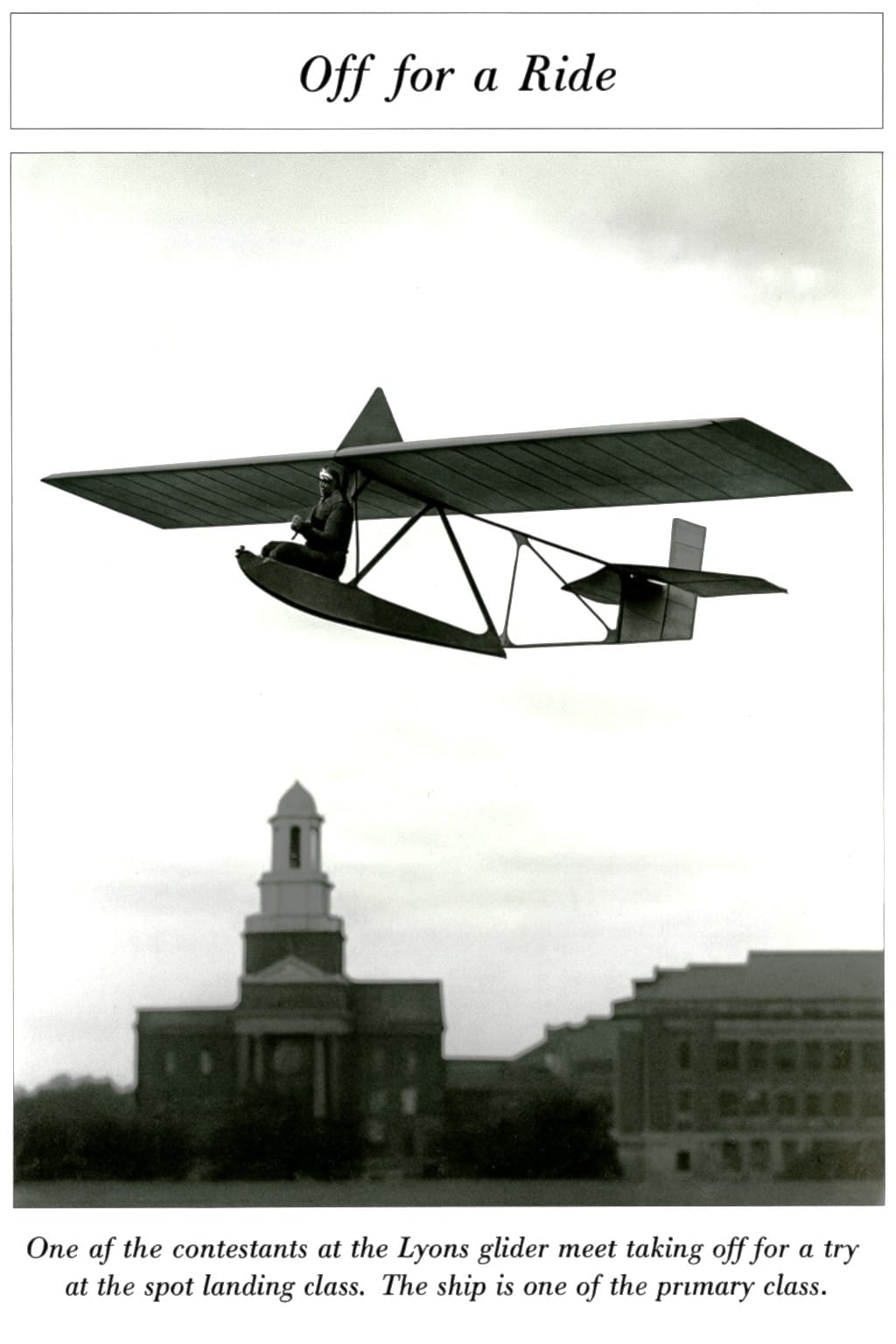
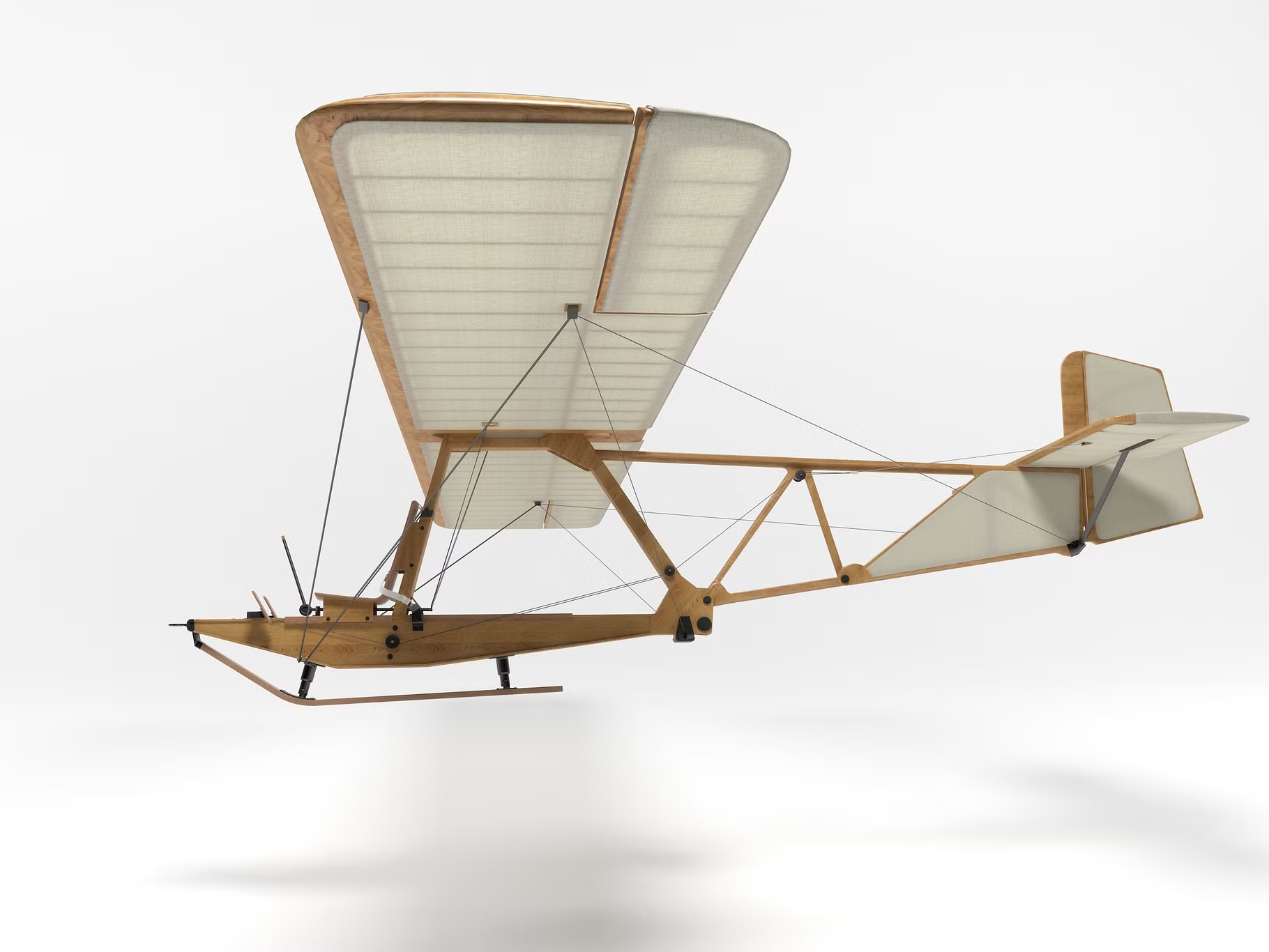
At places like Lyons and Schley Field in Bernards Township, most of the gliders were primary and secondary trainers, simple open-frame models built locally by clubs or patterned after designs like the Cessna CG-2 or the Franklin PS-2. More advanced aircraft, such as the Bowlus Baby Albatross or the Schweizer SGU series, may have appeared at the larger Eastern States Glider Meets later in the decade as technology improved and pilots gained skill.
These early gliders represented the spirit of the time, hand-built, experimental, and flown with courage and skill from open fields and grassy ridges like those found on Schley Mountain. During its time at Lyons Field, the Aero Club Albatross flew a variety of gliders, reflecting the era’s soaring technology. The craft included simple, open-cockpit trainers for novice pilots and high-performance, enclosed sailplanes for experienced flyers during competitive flights. Based on historical records from the period, the gliders used likely included:
| Glider Name | Country of Origin | Type | Description and Use | Year first flown |
| Franklin PS 2 | United States | Primary trainer | Produced by Franklin Aircraft in New York. Single seat glider widely used for early flight instruction and short tow flights. | 1930 |
| Cessna CG 2 | United States | Basic training glider | Sold during the early Depression years. Marketed as a low cost glider for flying clubs and schools. | 1930 |
| Grunau Baby | Germany | Training sailplane | Introduced in 1931 and built in large numbers worldwide. Many American designs were based on it. | 1931 |
| Rhonadler | Germany | Long range sailplane | Designed for cross country soaring and record attempts. Advanced for its time. | 1932 |
| Rhonbussard | Germany | Intermediate sailplane | Balanced between training and performance. Used in many European gliding schools. | 1933 |
At fields such as Schley Field and Lyons in New Jersey, most aircraft in use were American primary or secondary gliders, such as the Franklin PS-2, Cessna CG-2, and Schweizer SGU models. Larger meets in the late 1930s sometimes featured the more advanced Bowlus and Schweizer sailplanes, reflecting the growing sophistication of the sport.
The property at Lyons (West Millington) was owned by Gustov (Gus) Scheurer, founder of the Albatross Glider Club, and part of it was set aside for Albatross members. A barn on the Lyons property was used by the club as a hangar and also for sleeping quarters. Club members were an inventive mix of businesspeople, engineers, and students who built their gliders for about $300 each, experimenting with car tows, rubber ropes, and winch systems to get airborne. Ernest Schweizer, the club’s treasurer, noted that Lyons lacked the ridge lift found on nearby Schley Mountain, making it better suited for training and demonstrations than for true soaring. Even so, this quiet meadow near Millington marked the birthplace of organized gliding in New Jersey, a place where the state’s first aviators proved that flight without an engine was both possible and poetic. Then they moved to Schley Field.
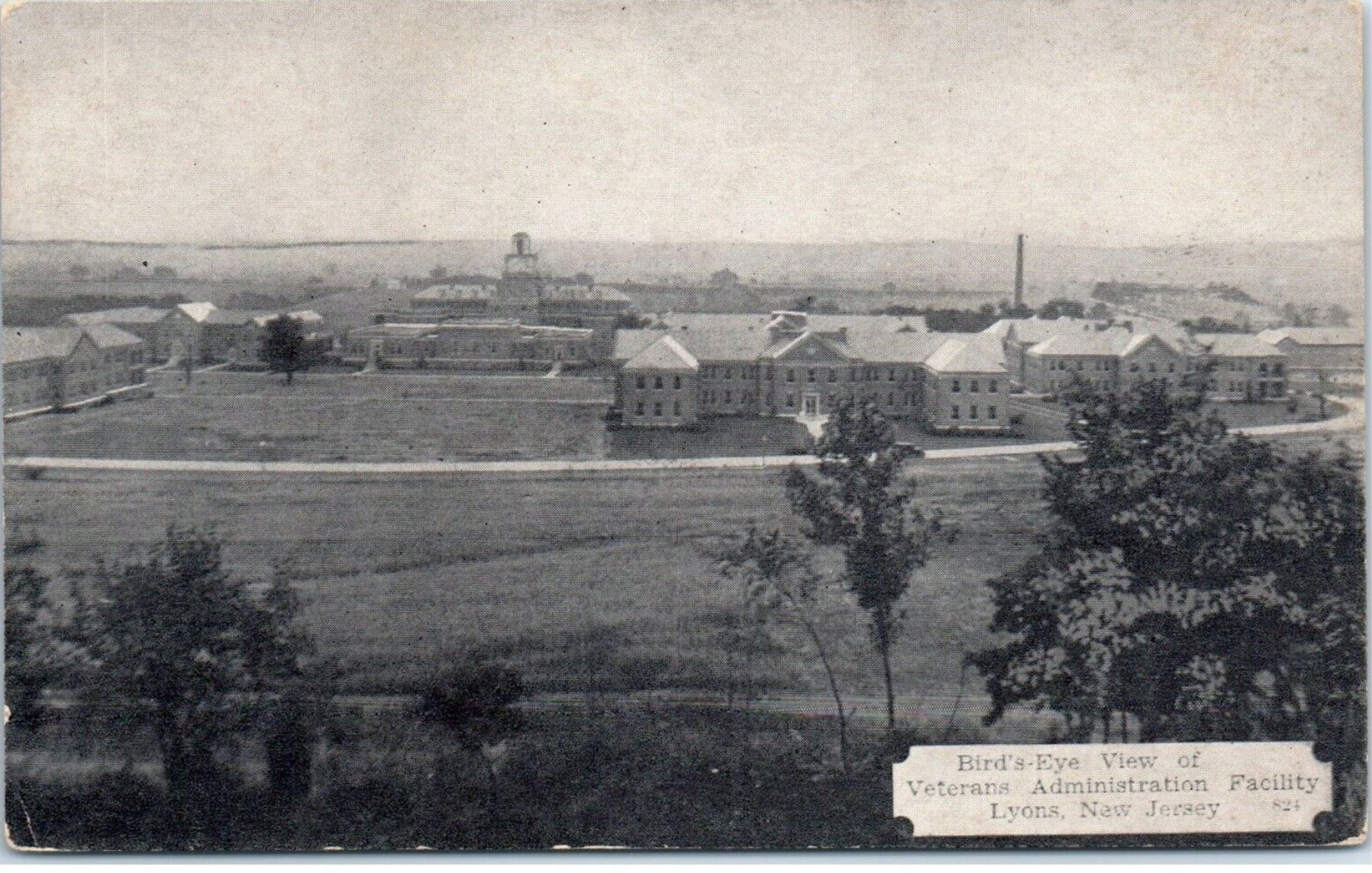
By 1934, Lyons’ activity also included the Langley Aero Club, which also flew on Sunday afternoons from a field along Valley Road between the United States Veterans Hospital at Lyons and Charles Key’s restaurant in West Millington. That summer, a tragic accident underscored the risks of the era when Gilbert Harvey Baker of East Orange was killed shortly after takeoff, reportedly when a wing failed at about one hundred feet. State aviation officials investigated.
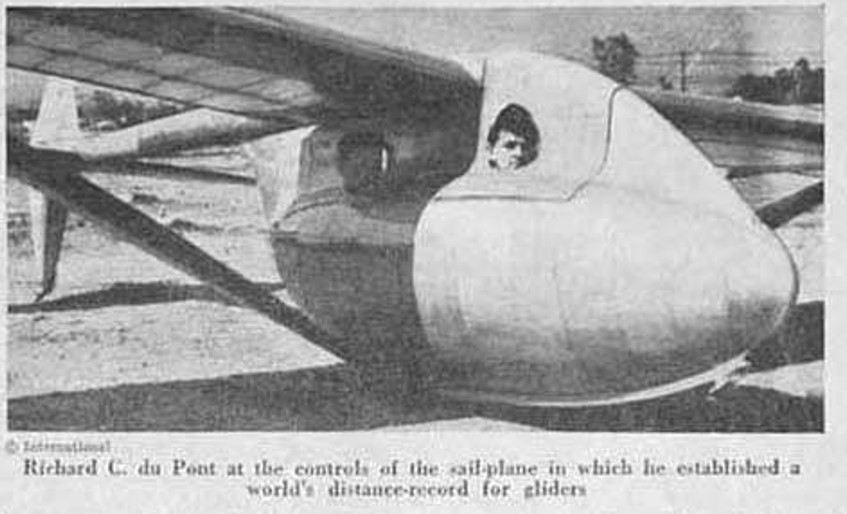
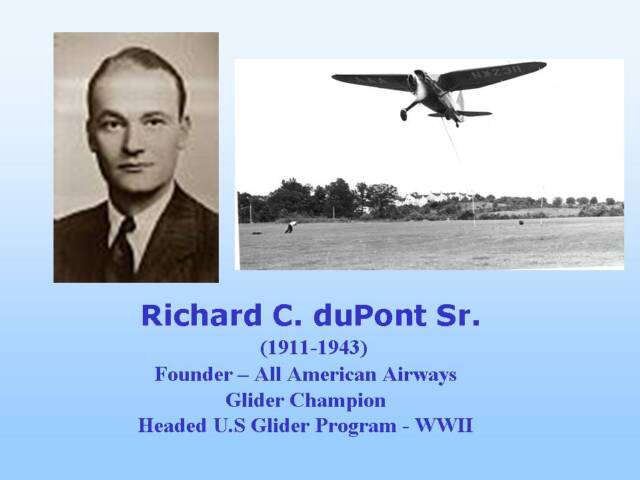
Other exhibitions were given by Ted Bellak and Don Stevens, flying a 1934 Haller Hawk sailplane belonging to Richard du Pont, who lent the craft for the occasion. Du Pont broke the world record for endurance and distance flying last June when he flew his sailplane, the Albatross, from Elmira, N.Y., to Somerset Hills Airport in Basking Ridge, a distance of approximately 155 miles, in about 5.5 hours. Gus Haller sold and built as part of Haller-Hirth Sailplanes in Pittsburgh. Haller imported kits from the Kassel Flugzeugbau (Kassel aircraft factory) and sold them as Haller-Hirth Hawk (a Professor) (see below).
Lyons Field was on the flat valley floor by the Lyons railroad station and was used for car-winch training hops and short flights. That site was chosen for clear approaches, not for ridge soaring. When New Jersey clubs wanted soaring conditions influenced by terrain, they shifted activity up onto Schley Mountain at Schley Field. Meets there from the late 1930s still relied on winch towing, but the site sat on a ridge and offered better soaring potential than Lyons.
DU PONT GLIDES TO NEW RECORD
Multi-Millionaire Lands at Somerset Hills Airport, Basking Ridge, After 155 Mile Flight
Bernardsville News, June 28, 1934
Richard C. duPont of Wilmington, Del., who established a new airline distance record for gliders Monday evening when he landed at the Somerset Hills Airport in Lord Stirling Road, Basking Ridge, after flying 155 miles from Elmira, N.Y. in five hours and fifty minutes, was a guest that evening of George A. Viehmann, manager of the airport, at his summer home in Summit.
On Tuesday, a large group of spectators gathered at the airport to inspect Mr. duPont’s sailplane, The Albatross III, and William A. Friars of the Bernardsville Buick Company, a former employee of Mr. duPont’s father, had a lengthy chat with the record-breaking glider. That afternoon, young Mr. duPont took luncheon at the Washington House in Basking Ridge and visited Bernardsville, where he was in conversation again with Mr. Friars. Harold Dobbs, Crampton Frost, Everett Gardner, Charles Bohnert, Vincent Balsamello, and others also conversed with Mr. duPont regarding his achievement and his glider.
Mr. duPont, 28, and a son of the multi-millionaire Felix A. duPont, beats by fourteen miles the former record of 136 miles set in Germany in 1931 by the late Guenther Groenhoff. An unofficial flight of 165 miles was made in Germany, but it does not stand as a record. Starting from the scene of the fifth annual national meet of the Soaring Society of America at Elmira, N.Y., Mr. duPont at times rose to an altitude of 3,000 feet, though his average altitude was 2,800 feet and his speed twenty-five miles an hour. It is believed he missed by a small margin the point indicated by a circle drawn on a map in which he should have landed to win his father’s $3,000 prize for the first motorless plane to fly from Elmira to New York City.
On his trip, he carried no provisions. His sailplane was manufactured by the San Fernando (Cal.) company, of which he is president. It is a Bowlus-Dupont glider constructed of spruce plywood and has a glide ratio of 25:1. Its wingspread is sixty-two feet. The sailplane weighs 331 pounds empty. DuPont weighs 170 pounds. DuPont has had its soaring license for less than a year. His interest in gliding increased after he crashed with his father as a passenger about a year ago. He broke the American distance record last September when he soared 122 miles from Skyland Field, Va. He has soared about 500 miles since he took up the game. Mr. duPont set a previous American record of 122 miles in The Albatross last September.