Isaac Schaffer King of the Poconos and Laurel Inn and Pocono Ice Company 1
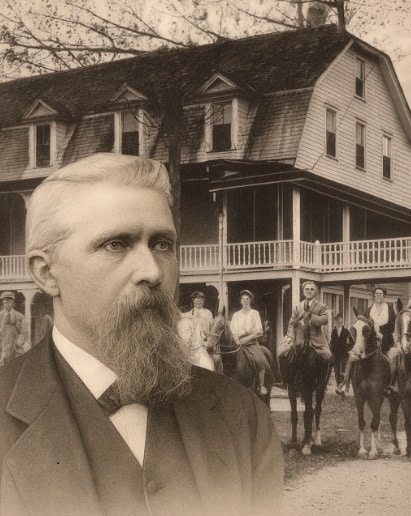
In the mid-19th century, the Pocono Plateau was still a rugged wilderness, characterized by dense forests, hidden lakes, and scattered clearings carved out by lumbermen’s axes. It was here that Isaac Stauffer, born in 1834 near Wind Gap, would rise from a farm boy to become one of the most powerful figures in the mountains. Known in his lifetime as the “King of the Poconos,” Stauffer was not a monarch by crown, but by his command of timber, land, and enterprise.
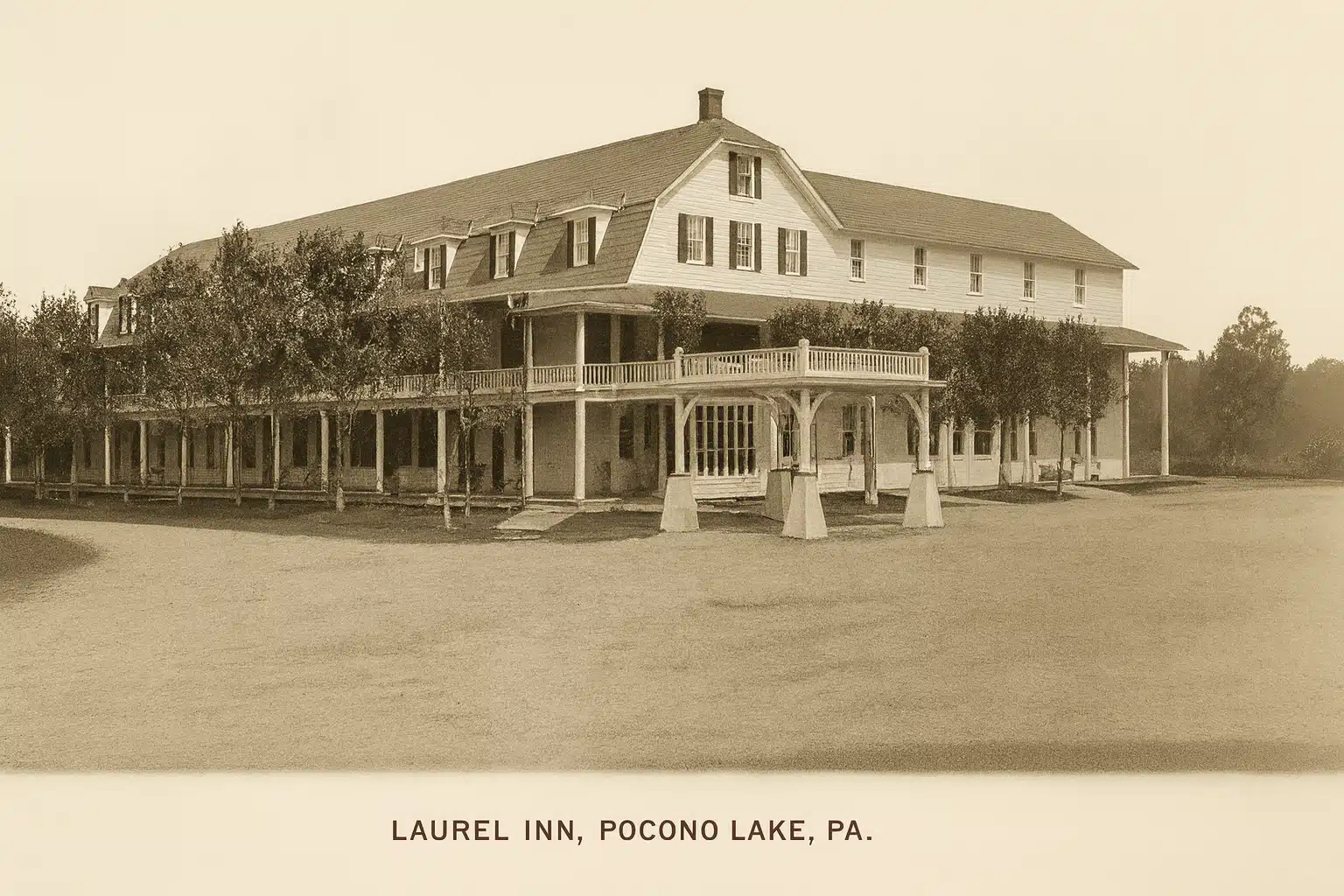
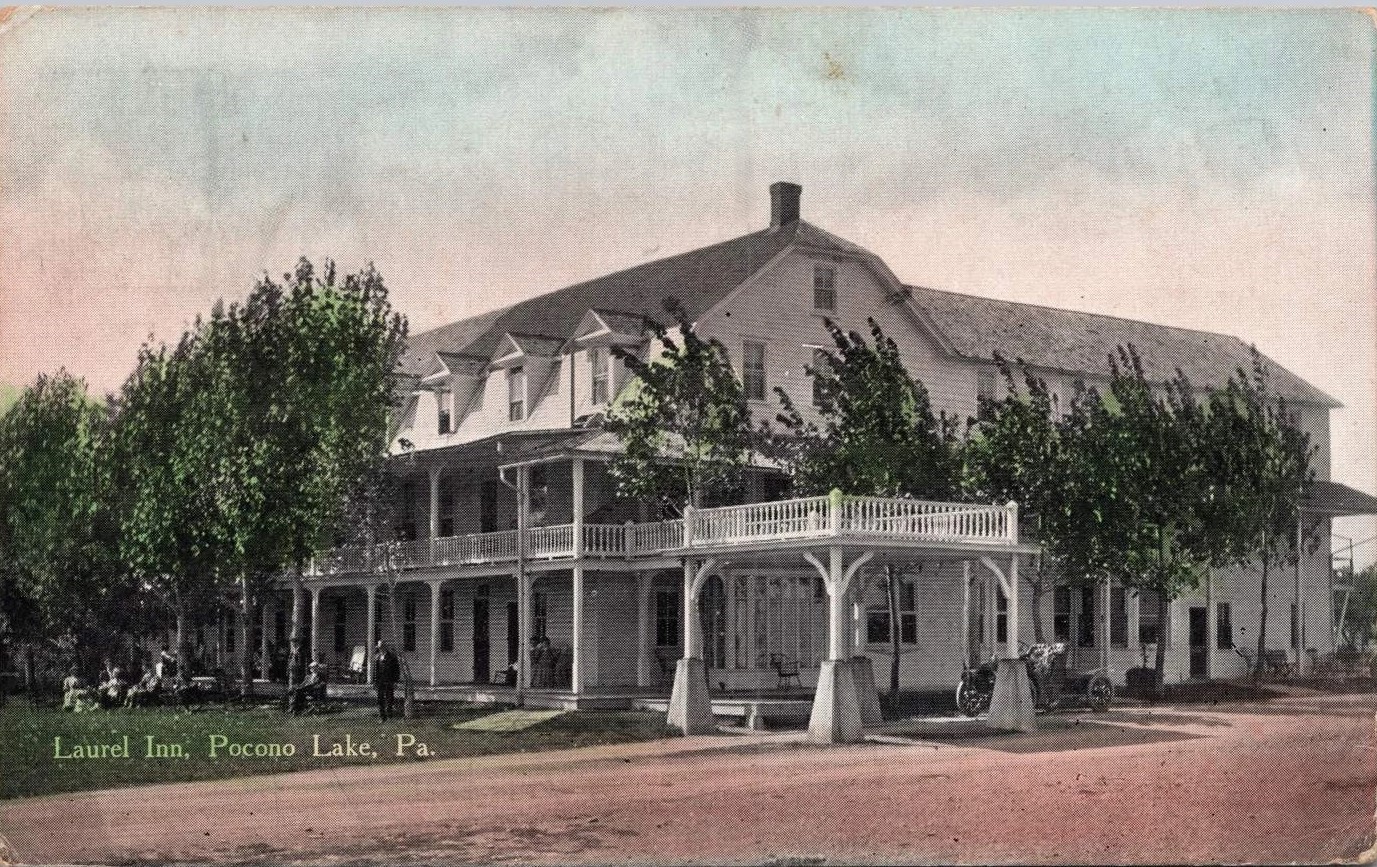
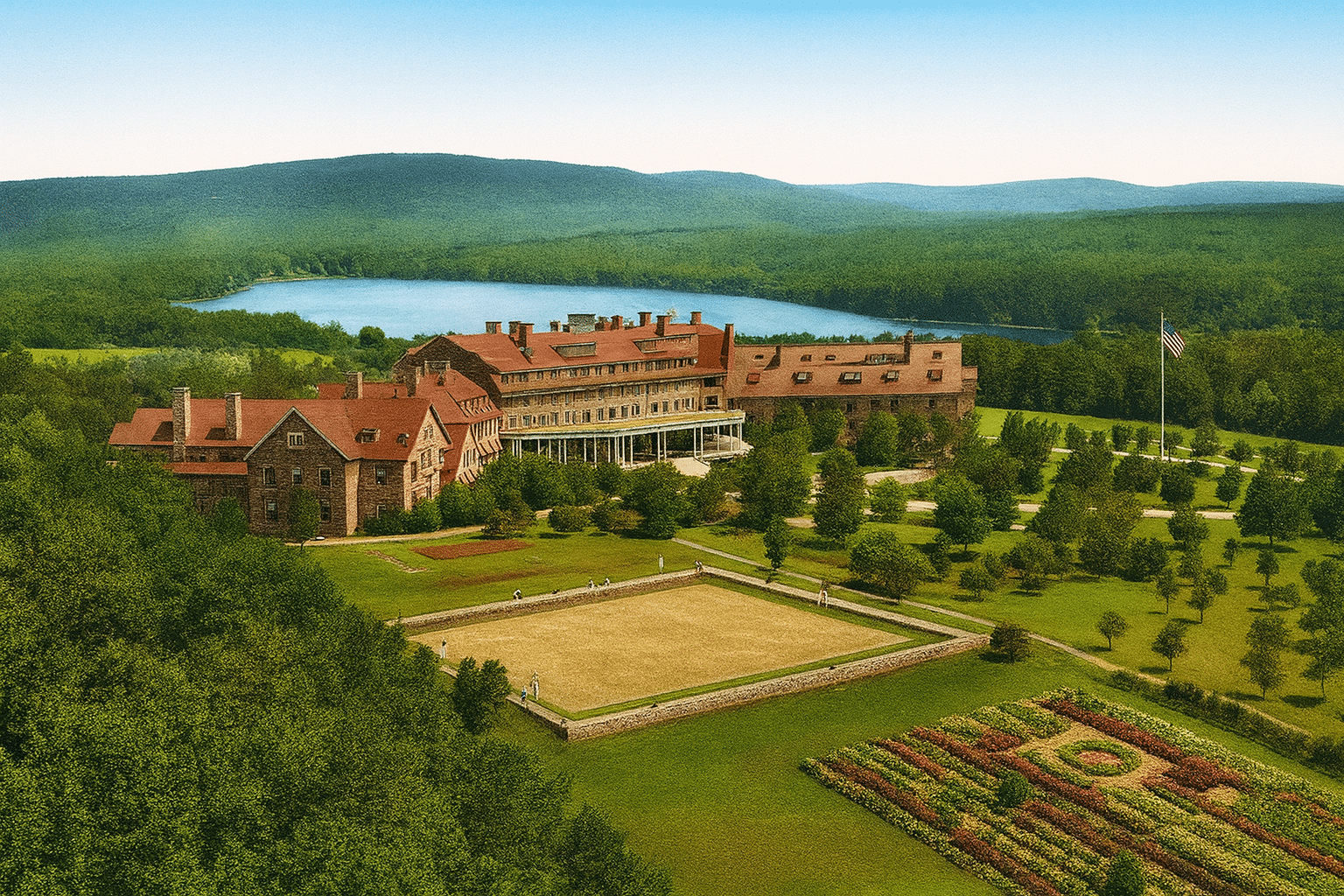
By the time the stagecoaches and the later railroads began pushing through Monroe County after the Civil War, Stauffer had already secured thousands of acres of woodland. Around 1870, Stauffer opened the Laurel Inn, one of the region’s earliest mountain boarding houses, giving city dwellers from Philadelphia and New York their first taste of Pocono cool breezes. Stauffer converted one of his lumber holdings into a rustic boarding house, within walking distance of the then-newly enlarged Pocono Lake.
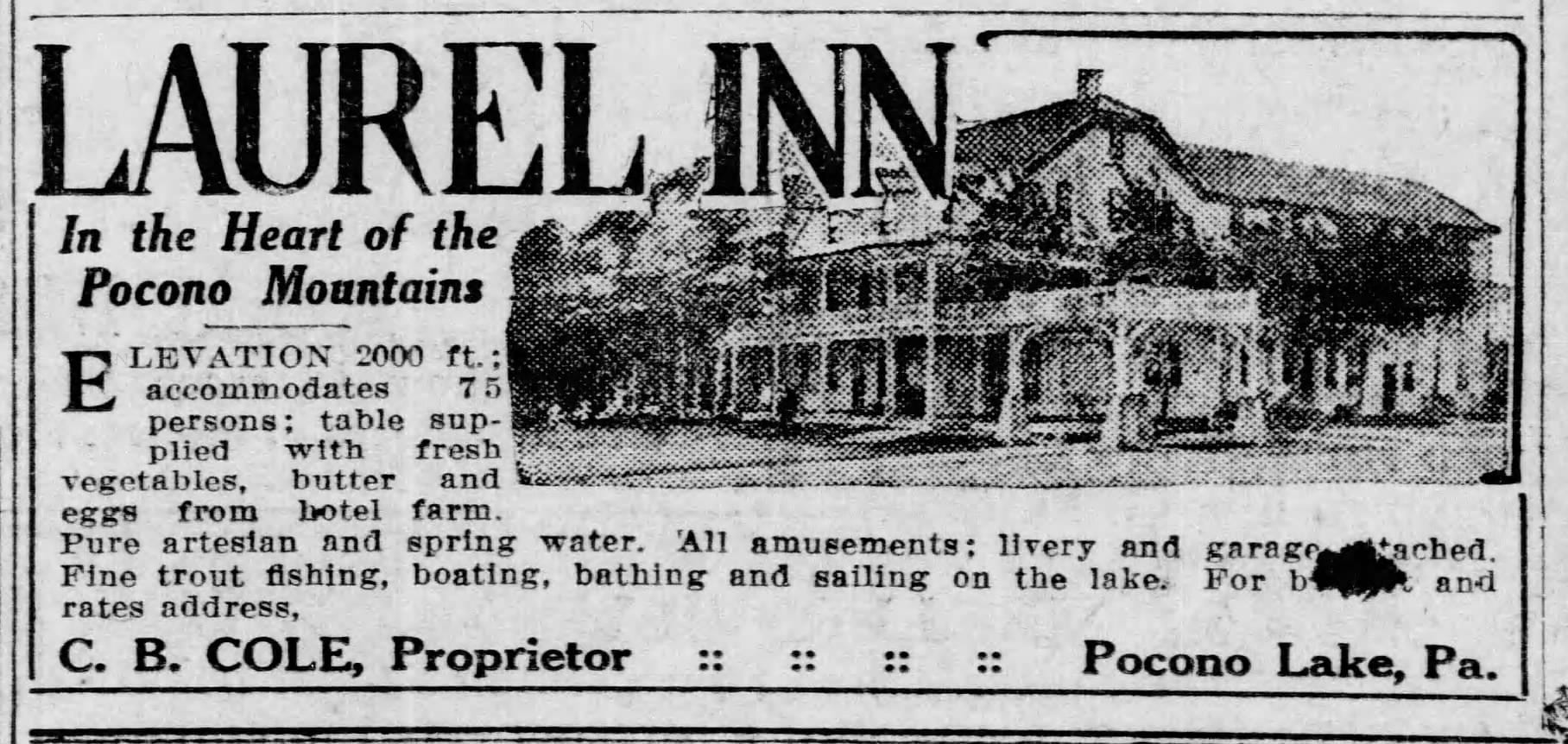
Stauffer’s Laurel Inn was one of the first resort hotels in the Pocono Pines region. While not as widely remembered as the Pocono Pines Inn or Pocono Crest that followed later, the Laurel Inn was very much part of the tight-knit network of family-run lodging houses that catered to vacationers escaping the heat and hustle of the cities for the clean air, serene lakes, and pine forests of Monroe County.
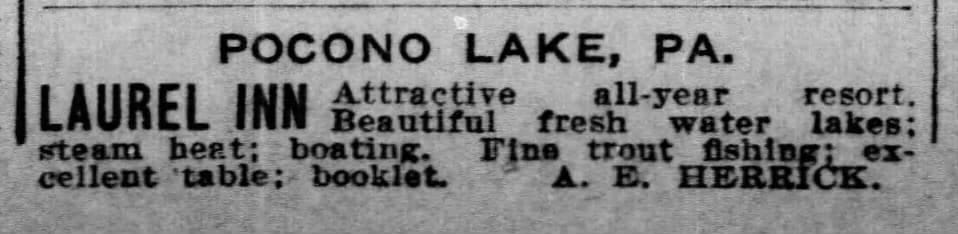
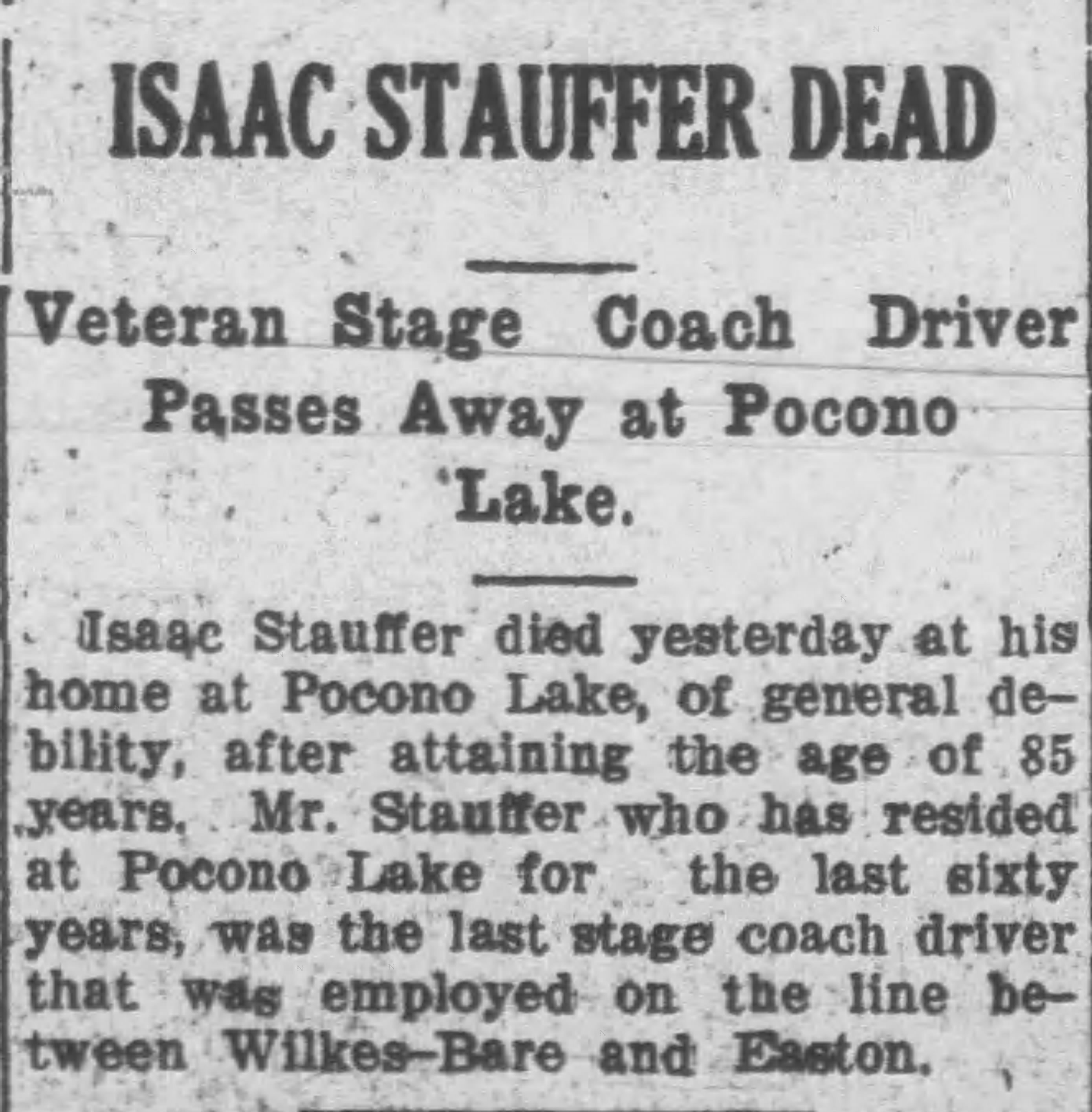
At the time it opened, the Laurel Inn boasted over 100 guest accommodations, equipped with steam heat and modern conveniences unusual in rural Pennsylvania at the time. Guests would travel by stagecoaches at first, later supplanted by railroad access, which brought guests from nearby towns. A dedicated spur, Laurel Inn Road, linked the property to the main regional routes. Stauffer was actually noted in his obituary as the last stagecoach driver before it ended
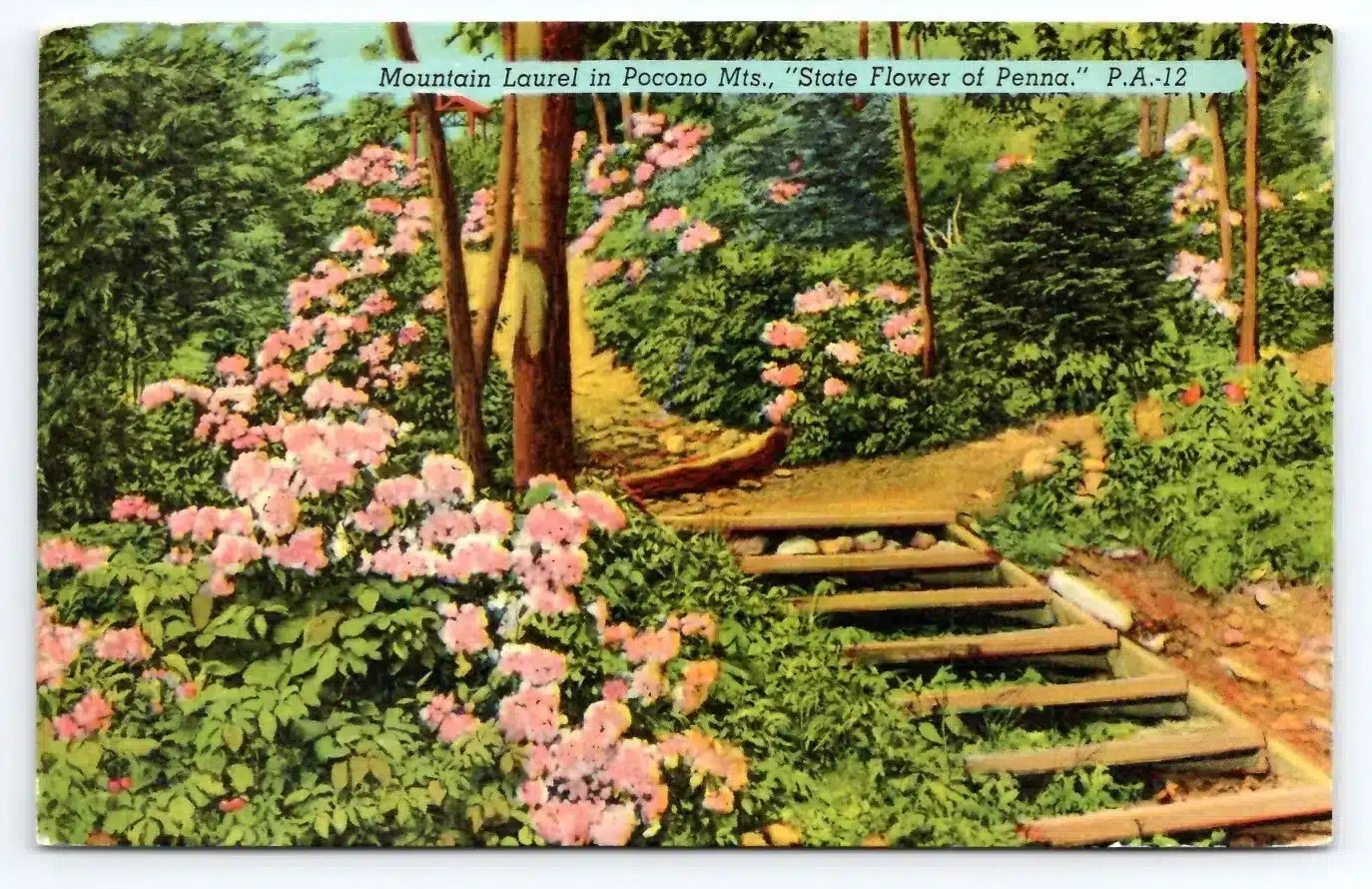
Stauffer advertised “fine trout & bass fishing, broad verandas and pure mountain air.” The name drew directly from the mountain laurel, Pennsylvania’s official state flower and one of the most abundant native shrubs on the Pocono Plateau. Each June, the laurel blooms with spectacular clusters of white and pink blossoms, carpeting the hillsides and lake edges.
Stauffer’s vast landholdings in Tobyhanna Township and beyond gave him influence over nearly every facet of local development. He controlled the forests that could be harvested year-round and the great lake that provided a steady supply of ice each winter. This reach, coupled with his ambition, earned him both admiration and the larger-than-life nickname that followed him long after his death in 1919.
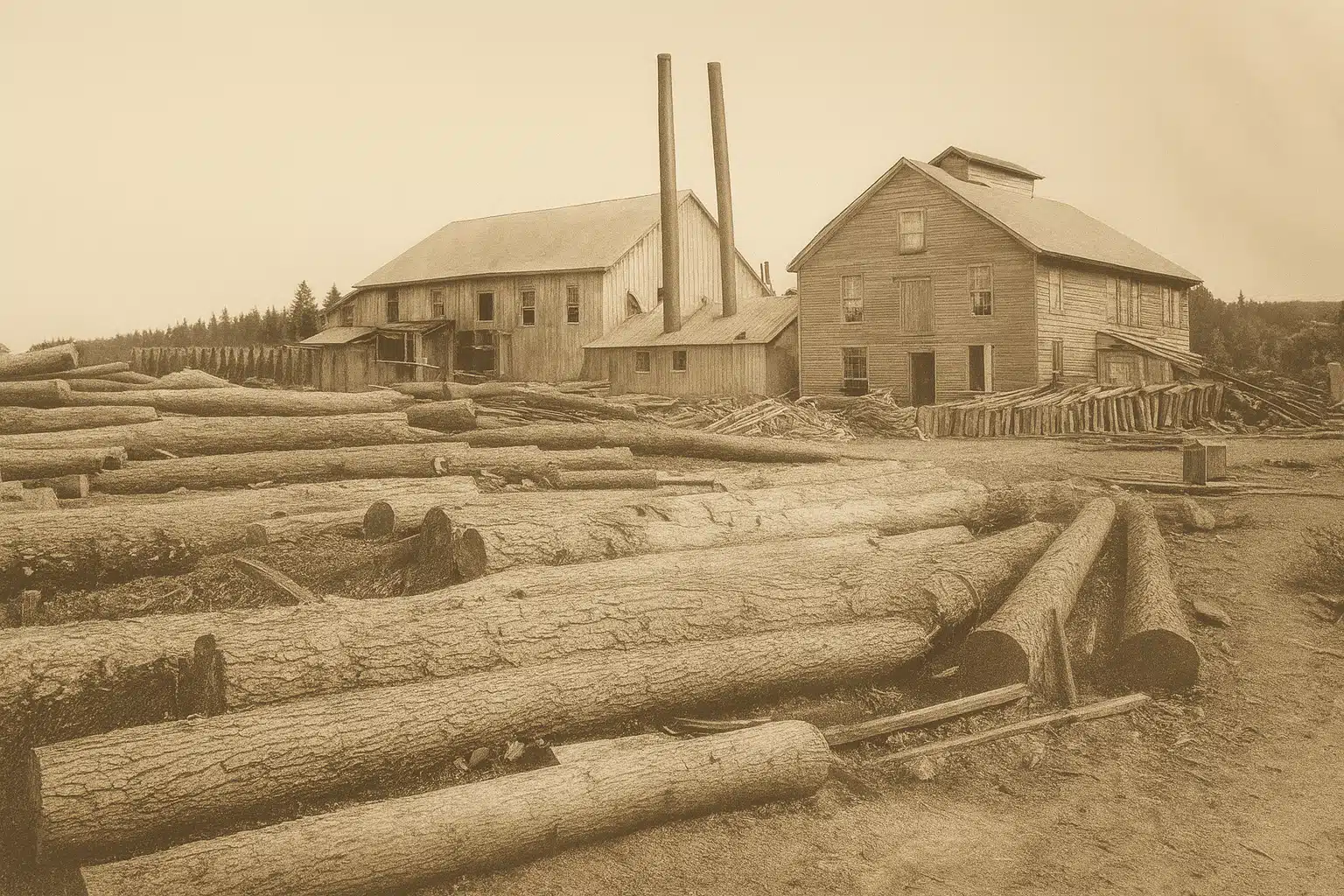
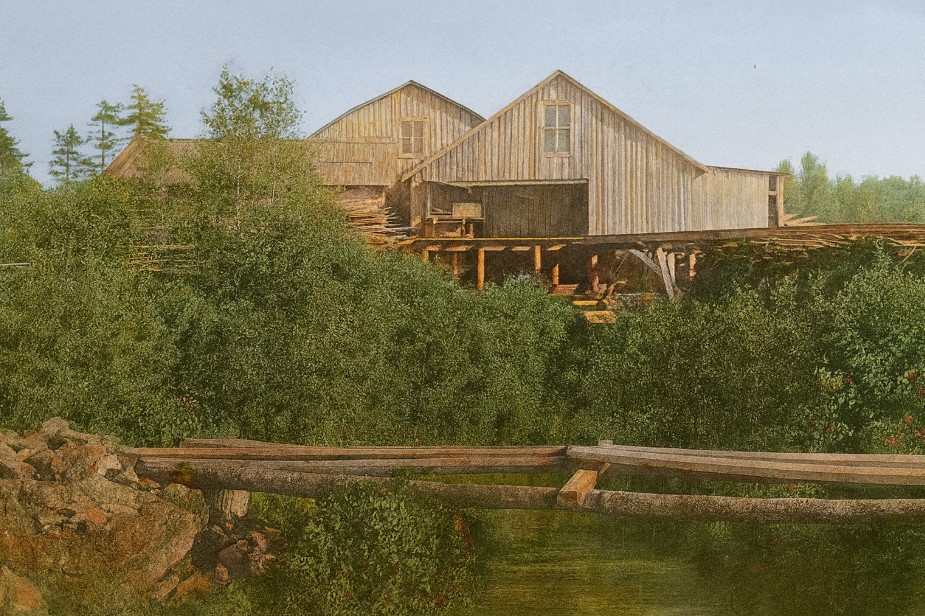
Beyond his success in hospitality, Stauffer built an empire on lumbering, cutting immense stands of hemlock and pine to satisfy the nation’s demand for construction materials and tanning bark. Yet he was more than a lumber baron. Stauffer was a visionary who saw potential in every acre: where loggers left stumps, he planted the seeds of new enterprises, from hotels to industries that reshaped the Pocono landscape.
Ice in the late 1800s became a desired commodity. By backing the ice companies, Stauffer essentially helped sustain year-round employment in a community that was otherwise highly seasonal. The ice trade complemented his other enterprises: in winter, locals worked cutting ice; in summer, they shifted to boarding houses, the Laurel Inn, or his lumber business. Ice harvesting also kept rail service steady in and out of Pocono Lake, which supported his hotel business. He was also a principal stockholder in the first telephone company serving the Pocono Lake area.
With the local lumber boom fading and tourism beginning to favor newer resort models, Stauffer chose to step back from the daily demands of hotelkeeping and capitalize on the inn’s value while it was still strong. The sale gave him liquidity and freed him to focus on his other enterprises, landholdings, ice harvesting, and general commerce, which continued to cement his reputation as the “King of the Poconos” long after the Laurel Inn passed from his hands.
1908 – The Trustees of the Pocono Lake Reserve of the Religious Society of Friends
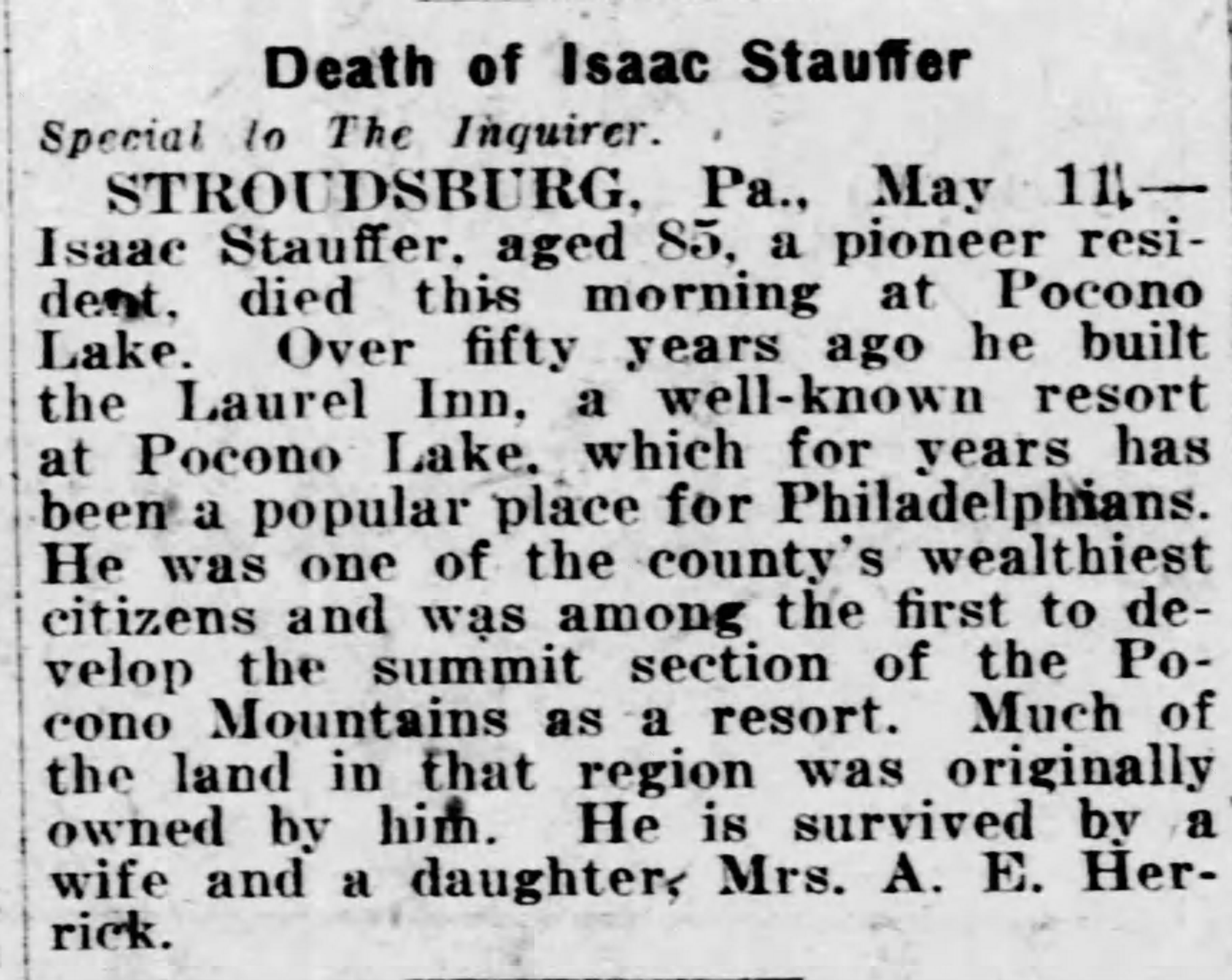
In 1902, Isaac Stauffer’s only daughter, Alice Stauffer, married Albert E. Herrick, who, coincidentally, was the superintendent for the American Ice Company. Just two years later, in 1904, Herrick’s name surfaces again in a newspaper article, this time as the Laurel Inn’s representative involved in brokering the 2,000-acre land sale to the Tobyhanna Water Storage & Supply Company, the corporate predecessor to what became the Quaker retreat at Pocono Lake.
The group of Philadelphia Quakers who had been camping at Pocono Lake moved to secure a permanent foothold. They acquired several thousand acres from local landholders, including property held by the Pocono Mountain Ice Company, in which Isaac Stauffer had financial ties. This purchase laid the groundwork for a retreat where families could live, worship, and immerse themselves in the natural setting. In 1908, the community was formally organized as the Pocono Lake Preserve.
Although Isaac Stauffer was not among the Preserve’s founders, the timing and nature of the transaction meant that he operated squarely within the same orbit. His deep involvement in the ice industry positioned him at the intersection of commerce and landholding, which enabled the Preserve to take shape. In this way, even without direct Quaker affiliation, Stauffer’s enterprises intersected with the movement that transformed the lake and surrounding region into a family-centered community rooted in Quaker values.
By the 1920s and 1930s, the Laurel Inn faced new competition from emerging grand resorts, including the Naomi Pines Inn, Pocono Manor, and Pocono Pines Inn. The once-bustling hotel was gradually converted to seasonal rentals and eventually dismantled by the late 1940s.
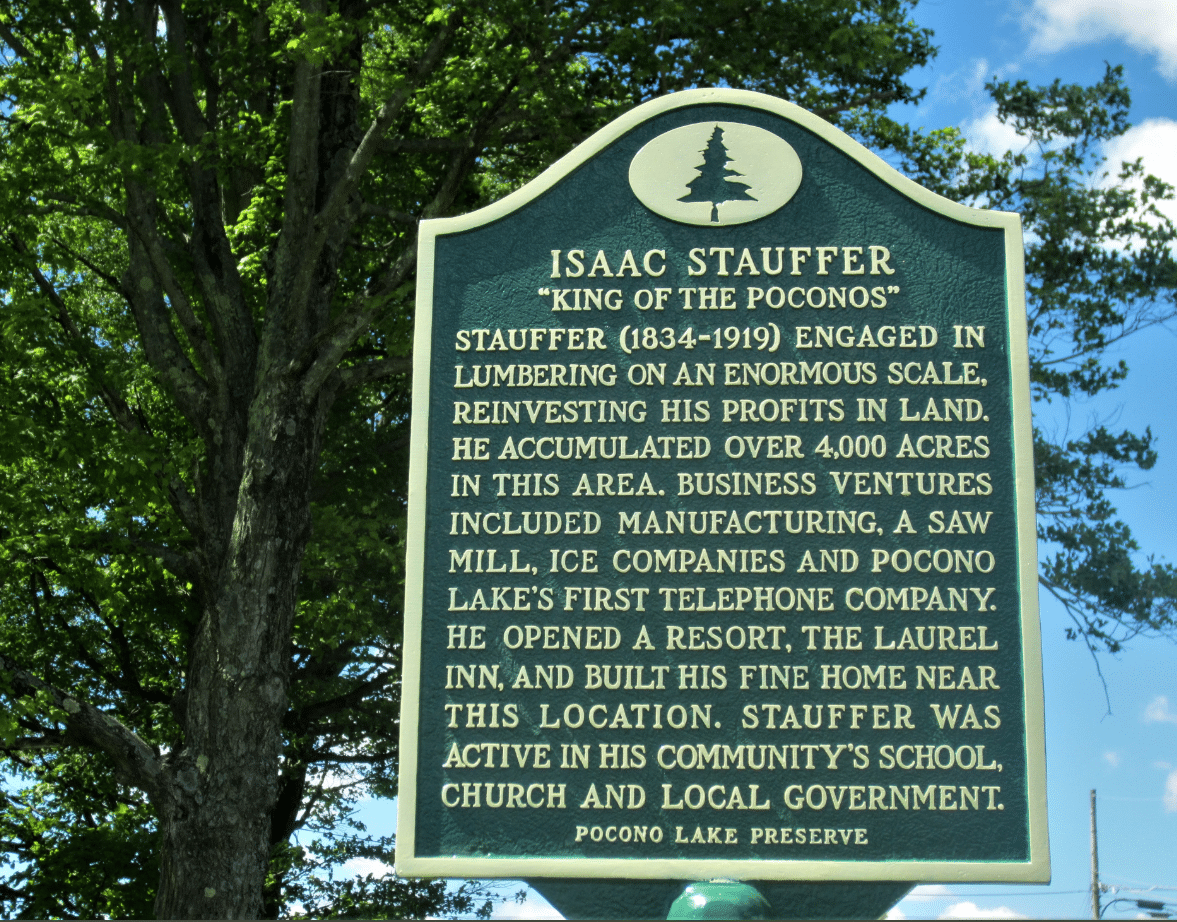
Route 423 was historically referred to as Laurel Inn Road in early 20th-century maps. A county historical marker for lumber magnate Isaac Stauffer, “King of the Poconos” and builder of the Laurel Inn, stands at the intersection of Kipp Avenue and Old Route 940.
Though no one can say with certainty who first bestowed upon Isaac Stauffer the title of “King of the Poconos,” the name has endured for more than a century. It likely rose from the voices of locals and travelers alike, awed by the vastness of his holdings and the influence he wielded over lumber, land, and commerce in the mountains. What began as a nickname has become a legacy, a reminder that one man’s vision and enterprise helped shape the very identity of the Poconos.
Learn about the various ways people arrived in the region, as well as how the area evolved during the 19th century.
If you’re new to the Lake Naomi area and Pocono Pines, many of these places have been destroyed by fire, demolished, or just absorbed back into the fabric of the pine forests. But for a moment in time, Pococo Pines was the “be-all” travel destination of the golden age in America.
Our interactive maps showcase locations, photos, and brief descriptions of landmarks of Pocono history. Click the box in the upper right to expand the map, click on icons, zoom in and out, and let us know if there’s anything to add or correct.
From the outset, Lutherland was promoted not only as a summer retreat but as a year-round destination for religious conferences, youth programs, and leisure activities, a place that blended the mission of Christian fellowship with the amenities of a Pocono…
For generations, the Lake Naomi Clubhouse has stood as the heart and soul of community life in Pocono Pines, a beloved gathering place that has evolved alongside the families who call this mountain retreat their home away from home. More…
The series I’ve been researching began as an effort to rebuild my youthful memories of growing up on Lake Naomi in the Poconos starting in the 1960s. As the stories came together, I wanted to start an online dialog with…